
 Save
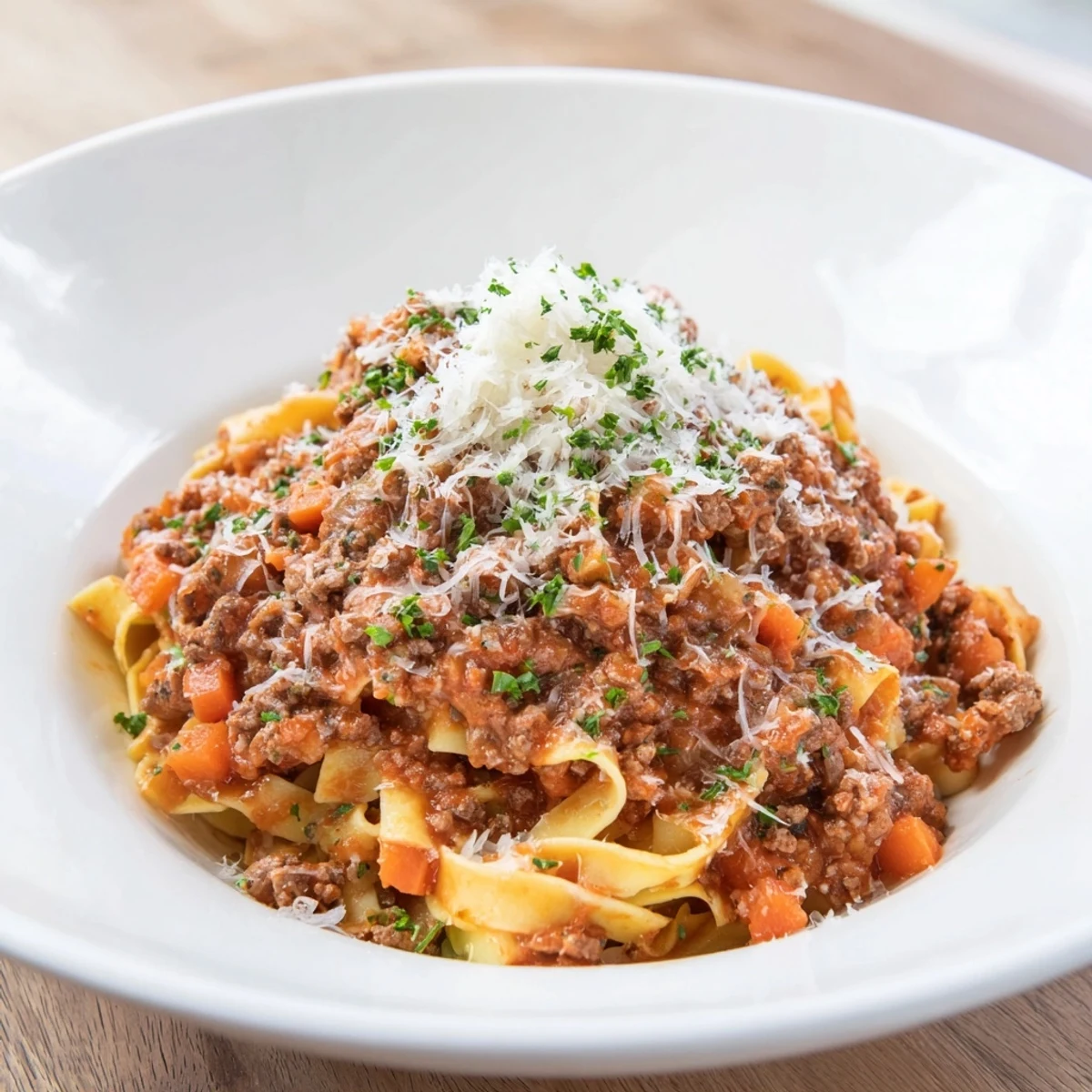
Save This Italian-inspired dish features ground beef sautéed with aromatic vegetables and garlic, simmered slowly with crushed tomatoes, red wine, and herbs to create a rich, thick sauce. Finished with a touch of milk for smoothness, it is served tossed with tender tagliatelle or spaghetti and garnished with freshly grated Parmesan and herbs. Ideal for a warming family meal that combines savory flavors and comforting textures over about 1 hour 40 minutes total time.
I still remember the first time I made Bolognese from scratch—it was a Sunday afternoon when my grandmother called to walk me through her version over the phone. She insisted that the secret wasn't in rushing the sauce, but in letting it simmer gently while filling the kitchen with that unmistakable aroma of tomatoes, wine, and beef. That day, I learned that great food is really about patience and presence, and Bolognese became my go-to recipe whenever I wanted to recreate that feeling of being cared for through cooking.
The first dinner party I hosted after moving into my own place, I made this Bolognese for six friends who showed up hungry and a little skeptical. Watching them twirl their first forkfuls and go quiet—that's when I knew I'd found a recipe that could do more than just fill bellies. It became the dish I reached for whenever I wanted to show someone care without saying a word.
Ingredients
- Ground beef (500 g, 80/20 blend): The ratio matters here—the fat renders into richness that makes the sauce glossy and luscious, not lean and sad
- Onion, carrots, and celery (the soffritto): This holy trio is your foundation; the sweetness from the carrots and aromatics from the celery create depth that lingers in every bite
- Garlic (3 cloves, minced): Added after the vegetables soften so it doesn't burn—this is non-negotiable if you want that warm, savory note
- Dry red wine (100 ml): Don't use cooking wine; use something you'd actually drink, because the flavor matters and it needs to cook down properly
- Crushed tomatoes (800 g): Canned works beautifully here and is honestly better than fresh unless you're making this in peak tomato season
- Tomato paste (2 tbsp): This concentrates the tomato flavor into something almost umami-rich; cooking it briefly before adding liquid deepens it further
- Beef or vegetable broth (250 ml): This keeps the sauce from becoming too acidic and helps everything meld together
- Whole milk (2 tbsp): A trick I learned from Marcella Hazan herself—just a splash at the end softens the acidity and adds a subtle richness
- Olive oil (3 tbsp): Use good oil here; it's not just for cooking but builds flavor
- Dried oregano and basil (1 tsp each): Fresh would be nice, but dried works wonderfully and distributes evenly throughout the sauce
- Bay leaf: It adds complexity you can't quite name, but you'll miss it if it's not there
- Sugar (1/2 tsp): Just a pinch to balance acidity—trust this even if it seems odd
- Salt and black pepper: Taste as you go; you'll need more than you think
- Pasta (400 g tagliatelle or spaghetti): Tagliatelle is traditional and catches the sauce beautifully, but any shape you love works
- Parmesan and fresh basil (for serving): The finale matters—freshly grated Parmesan melts slightly from the heat, and herbs add brightness
Instructions
- Build your flavor base:
- Heat olive oil in a large heavy-bottomed pot over medium heat. Add your finely chopped onion, carrots, and celery—the warmth will begin releasing their sweetness immediately. Sauté for 7–8 minutes, stirring occasionally, until everything softens and turns golden at the edges. You'll know it's right when the kitchen smells like someone's grandmother is cooking.
- Awaken the garlic:
- Add your minced garlic and cook for just 1 minute—no longer, or it will turn bitter and regret will follow. Stir constantly so it perfumes the oil without browning.
- Brown the beef:
- Turn heat to medium-high and add your ground beef. Break it up with the back of a wooden spoon as it cooks, 6–8 minutes total, until there's no pink remaining and the meat is golden throughout. This is where the deep, savory foundation of your sauce begins.
- Deepen with tomato paste:
- Stir in the tomato paste and let it cook for 2 minutes, coating everything. This short cooking time concentrates the flavor—it's called blooming, and it makes all the difference.
- Deglaze with wine:
- Pour in your dry red wine and let it simmer for 3–4 minutes. Watch as the liquid reduces slightly and the alcohol cooks off, leaving behind complex, slightly sweet notes that no other ingredient can provide.
- Simmer the sauce:
- Add your crushed tomatoes, broth, oregano, basil, bay leaf, sugar, salt, and pepper. Stir everything together, then bring to a gentle simmer. Cover partially with a lid and let it bubble away for 45–60 minutes, stirring occasionally. This is the long, slow part where patience becomes your secret ingredient. During the last 15 minutes, remove the lid so the sauce can thicken and concentrate.
- Finish with milk and final seasoning:
- Stir in the milk and simmer for another 5 minutes—this softens the acidity and adds a subtle creaminess. Remove the bay leaf, taste, and adjust salt and pepper as needed. The sauce should be rich, glossy, and deep brown-red.
- Cook your pasta:
- While the sauce simmers its final minutes, bring a large pot of well-salted water to a rolling boil. Add your pasta and cook according to package directions until al dente—tender but still with a slight bite. Before draining, reserve 1/2 cup of the starchy pasta water.
- Bring it together:
- Toss your drained pasta with the Bolognese sauce, adding pasta water a splash at a time until the consistency is exactly how you like it—some prefer it saucier, others prefer the pasta to have more independence. The starch in the water helps everything coat evenly.
- Serve with love:
- Transfer to bowls or plates, finish generously with freshly grated Parmesan cheese and a sprinkle of fresh basil or parsley if you have it. Serve immediately, while everything is still warm and the flavors are singing.
 Save
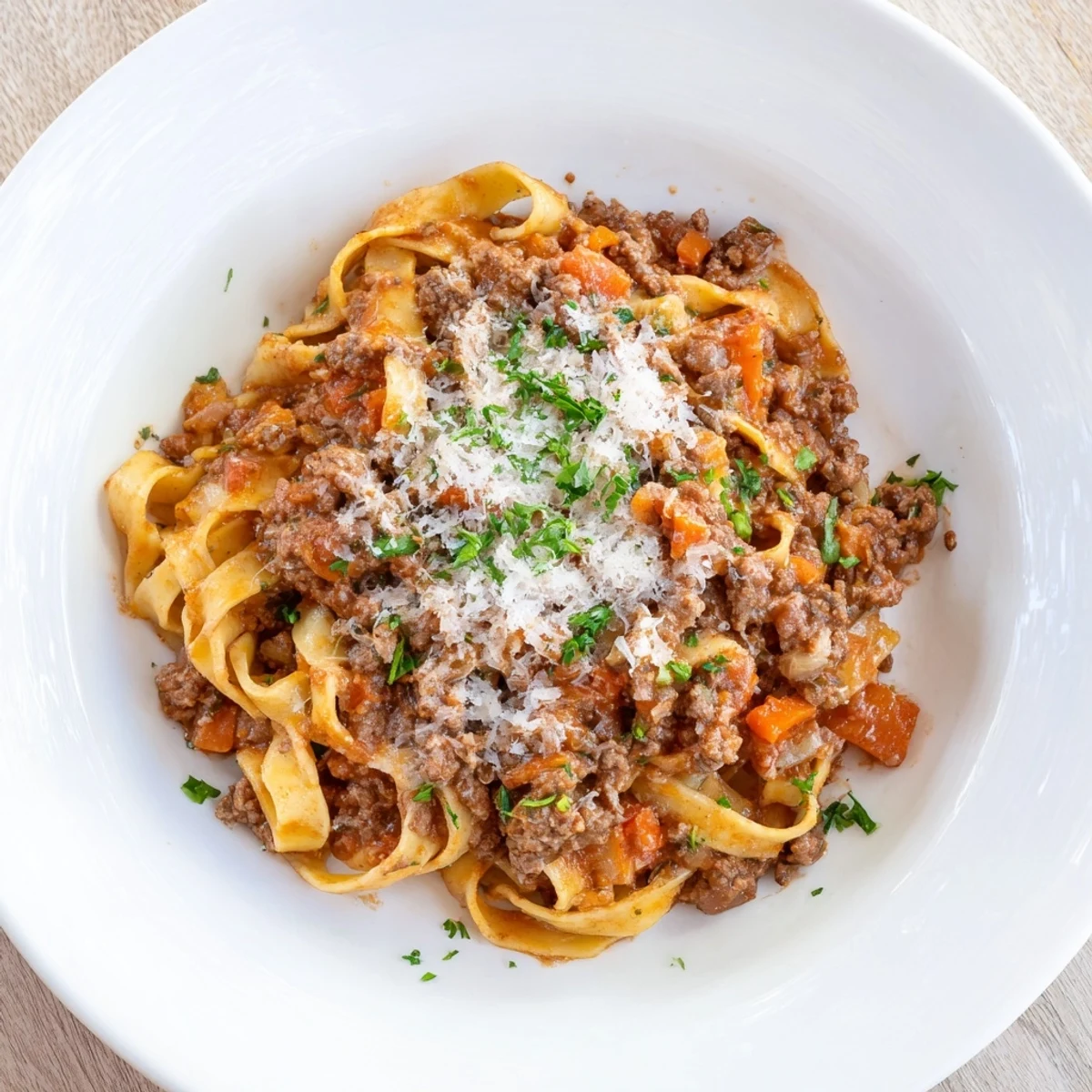
Save Years later, I made this Bolognese for my partner on a cold evening when words weren't enough. There was something about serving a bowl of sauce that had simmered for over an hour that said everything I couldn't quite articulate. That's when I understood that Bolognese isn't just pasta—it's a way of showing up for the people you care about.
The Magic of Slow Cooking
Time is the secret ingredient that no recipe card can fully capture. When you let Bolognese simmer gently on the stove, the flavors don't just combine—they transform into something entirely new. The raw acidity of the tomatoes mellows, the beef becomes silky rather than chunky, and the wine loses its sharpness while keeping its complexity. This is why Bolognese made in forty minutes tastes nothing like Bolognese made in ninety. Resist the urge to speed things up; your future self will thank you when you taste the difference.
Playing With Tradition
While this recipe honors the classic Italian way, I've learned that Bolognese is actually flexible if you understand why each element matters. A splash of balsamic vinegar adds depth without anyone knowing why it tastes richer. A tiny grate of fresh nutmeg—barely enough to see—adds a warmth that feels like a secret. Some cooks swear by mixing ground pork with the beef for a lighter, more delicate sauce, and they're not wrong. The beauty of this recipe is that once you've made it a few times and understand how it works, you can play within those boundaries. However, the core technique and those long hours of simmering? Those are sacred.
Beyond the Bowl
I've learned that good Bolognese is never just for pasta. I've spooned it over creamy polenta, layered it into lasagna, used it as a base for shepherd's pie, and even tucked it into the center of risotto. One memorable winter, I made a massive batch and used it as the sauce for a meat ragu that topped fresh egg noodles at a dinner party. Each time, people asked for the recipe, surprised that something so complex could come from a home kitchen. This is why I always make more than I need.
- Make a double batch and freeze half for nights when cooking feels impossible
- Leftover sauce actually tastes better the next day as the flavors settle and deepen
- Pair it with a Chianti or Barbera if you have wine on hand—the tannins and acidity complement the sauce beautifully
 Save
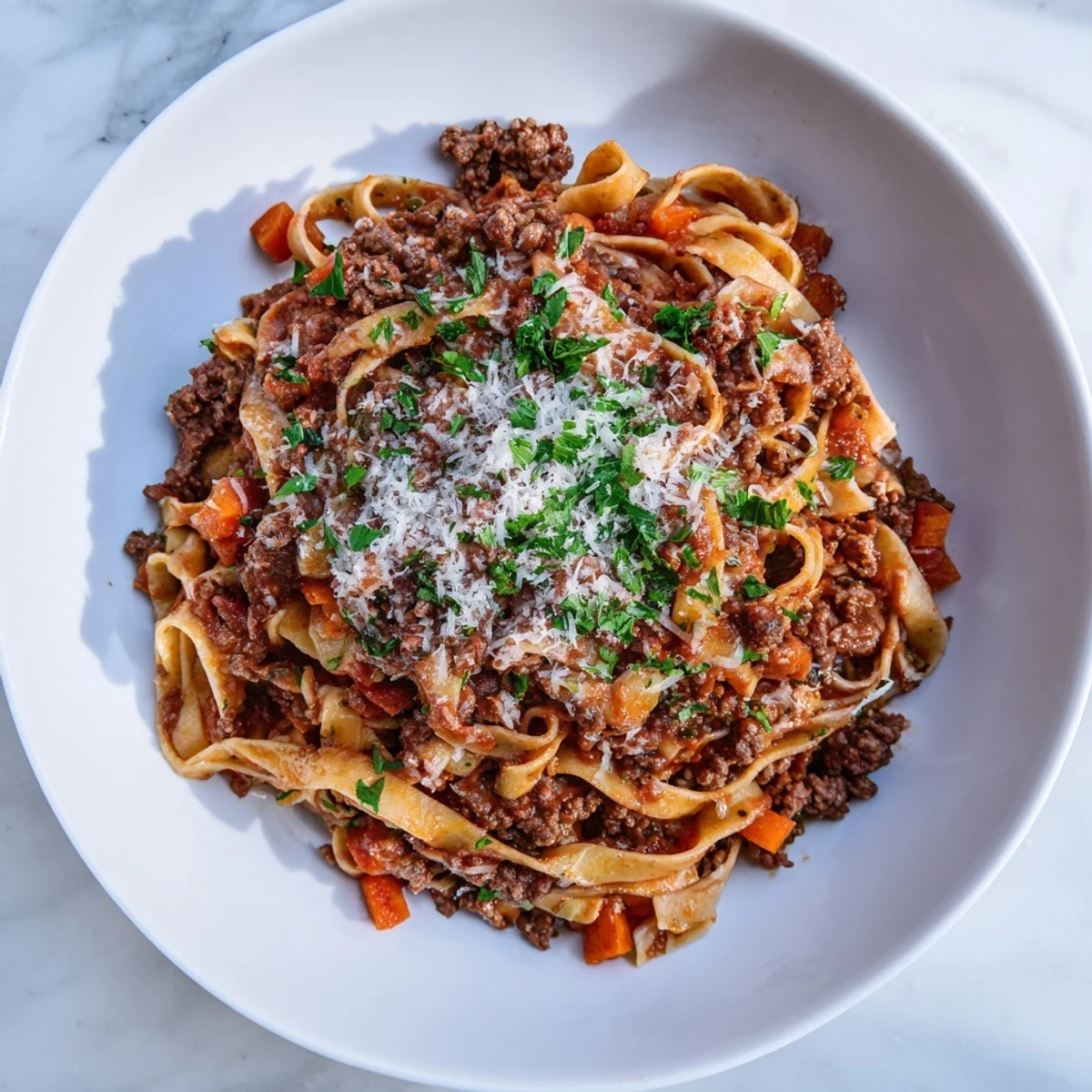
Save Making Bolognese is an act of care disguised as cooking. In a world that moves too fast, this recipe asks you to slow down, to smell deeply, to taste and adjust, to feed people with intention. That's enough.
Recipe FAQs
- → What type of pasta works best for this dish?
-
Long pasta varieties like tagliatelle or spaghetti are preferred to hold the rich sauce well, but pappardelle or rigatoni can also be excellent choices.
- → How can I enhance the depth of flavor in the sauce?
-
Adding a pinch of nutmeg or a splash of balsamic vinegar during simmering can bring additional complexity and warmth to the sauce.
- → Can the meat be substituted?
-
Yes, substituting part of the beef with pork provides a more traditional variation and a slightly different flavor profile.
- → Why is milk added near the end of cooking?
-
Milk softens the acidity of the tomatoes and adds a subtle creaminess, enriching the overall sauce texture.
- → What wine pairs well with this dish?
-
Italian red wines such as Chianti or Barbera complement the savory, tomato-rich flavors beautifully.
- → How do I get the sauce to the right consistency?
-
Cook the sauce uncovered for the last 15 minutes of simmering to thicken it, and adjust with reserved pasta water when tossing for the ideal texture.