
 Save
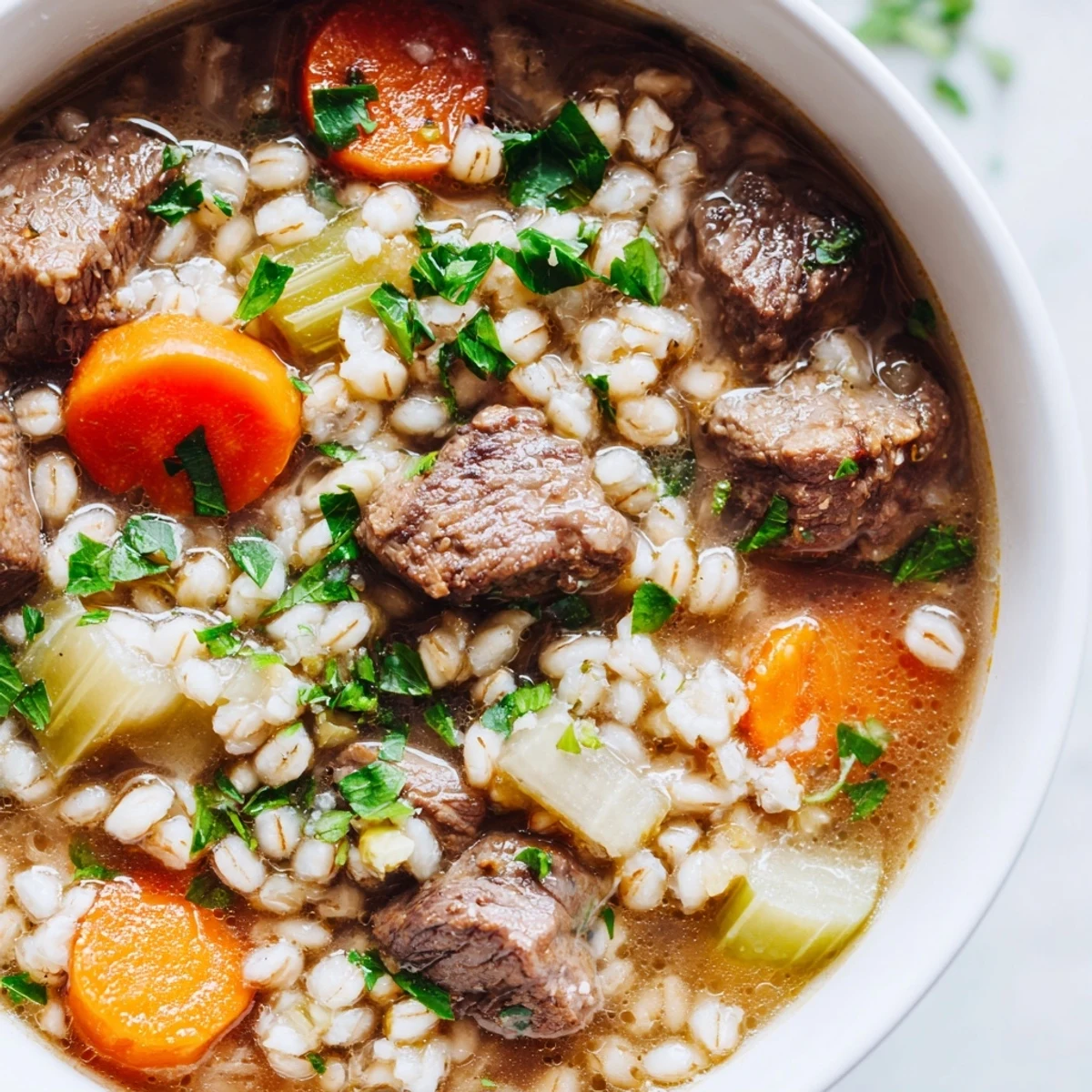
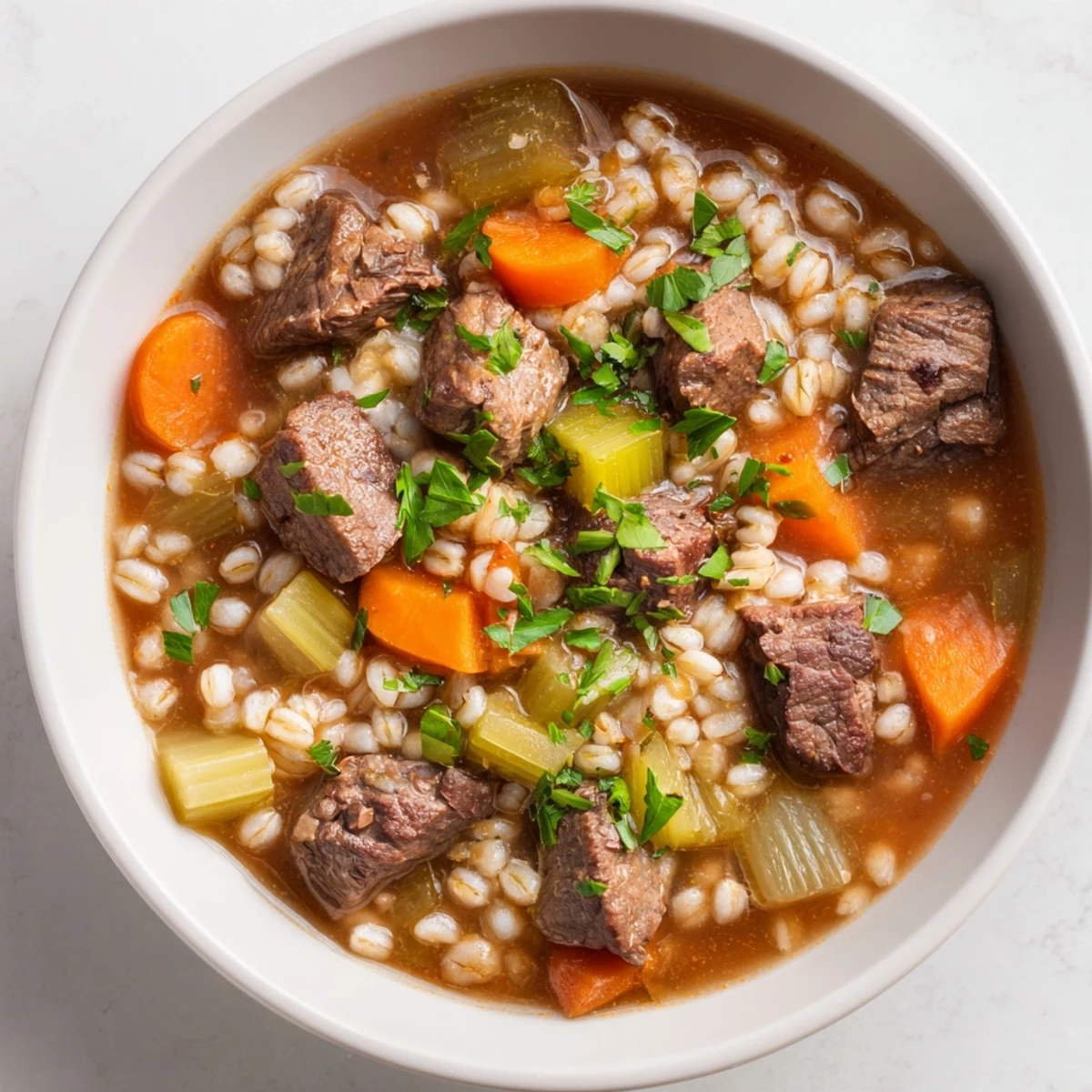
Save This hearty beef and barley stew combines succulent beef chuck seared until golden, earthy pearl barley, and sweet vegetables in a rich broth infused with thyme and rosemary. Simmered low and slow for two hours, the flavors meld beautifully while the beef becomes tender and the barley adds a subtle nuttiness. Perfect as a one-pot main dish that tastes even better the next day.
The afternoon sky had turned a steely gray when I first assembled this beef and barley stew in my little apartment kitchen. Rain pelted against the windows as the aroma of beef and herbs filled every corner, creating an instant sanctuary from the storm. Something about the way the barley plumped up and soaked in all those savory flavors transformed a simple pot of ingredients into pure comfort.
Last winter, my neighbor broke her ankle slipping on ice, and I brought over a container of this stew. She called me the next day, voice bright despite her circumstances, asking if I would share the recipe. Now whenever the temperature drops, she texts me a photo of her own pot of beef and barley stew simmering away, our little tradition born from a kitchen gesture.
Ingredients
- Beef chuck: Choose pieces with good marbling as the fat renders down during cooking, creating richness throughout the broth.
- Pearl barley: This little grain is the unsung hero, absorbing all the flavors while adding a delightful texture that beats rice or potatoes in a hearty stew.
- Carrots and celery: Cut these roughly the same size so they cook evenly, and dont rush the sautéing process as it builds the foundation of flavor.
- Dried herbs: I learned that crushing dried rosemary and thyme between your fingers before adding releases more of their essential oils into the stew.
Instructions
- Brown the beef properly:
- Patience is key here as you sear the beef cubes in batches until they develop that rich brown crust. Listen for that satisfying sizzle that tells you youre building flavor, not just steaming the meat.
- Build your flavor base:
- When sautéing the vegetables, take your time and let them soften and slightly caramelize. Youll notice them picking up all those brown bits from the beef, which is pure gold for your stew.
- Let it simmer:
- As the stew bubbles gently on the stove, the kitchen will fill with an aroma that draws everyone in. Resist the urge to rush this process as this slow dance of ingredients is what makes this stew special.
- Final touches:
- Always taste before serving and adjust the seasoning. Sometimes a pinch more salt or a crack of fresh pepper right at the end makes all the difference.
 Save
Save One snowy evening, my typically picky brother-in-law visited for dinner, and I served this stew without much expectation. Watching him go back for seconds and then thirds without a word, just quiet appreciation and the clink of his spoon, told me everything. Sometimes food speaks volumes where conversation falls short, creating connections through shared warmth.
Make-Ahead Magic
The first time I made this stew a day in advance was purely accidental, running out of time to serve it the same day. What a fortunate mistake that turned out to be. Overnight in the refrigerator, the flavors meld and deepen, while the barley softens to the perfect consistency. Now I deliberately make it a day ahead when guests are coming, knowing the extra time transforms it from delicious to extraordinary.
Serving Suggestions
Through years of serving this stew, Ive found that simple accompaniments work best to let its flavors shine. A crusty sourdough bread with salted butter or a light green salad dressed with lemon and olive oil provides the perfect contrast to the richness. For casual gatherings, I place the pot directly on the table with a stack of wide, shallow bowls, creating an immediate sense of comfort and community around the meal.
Storing and Reheating
Learning how to properly store and reheat this stew has been a small kitchen revelation in my house. The flavors actually improve over the first 2-3 days, making it an ideal prepare-ahead meal for busy weeks.
- Cool the stew completely before transferring to airtight containers to prevent that sour taste that can develop when hot food is sealed.
- When reheating, add a splash of fresh broth or water if the barley has absorbed too much liquid overnight.
- Gentle reheating on the stovetop rather than high heat or microwave preserves the texture of both meat and vegetables.
 Save
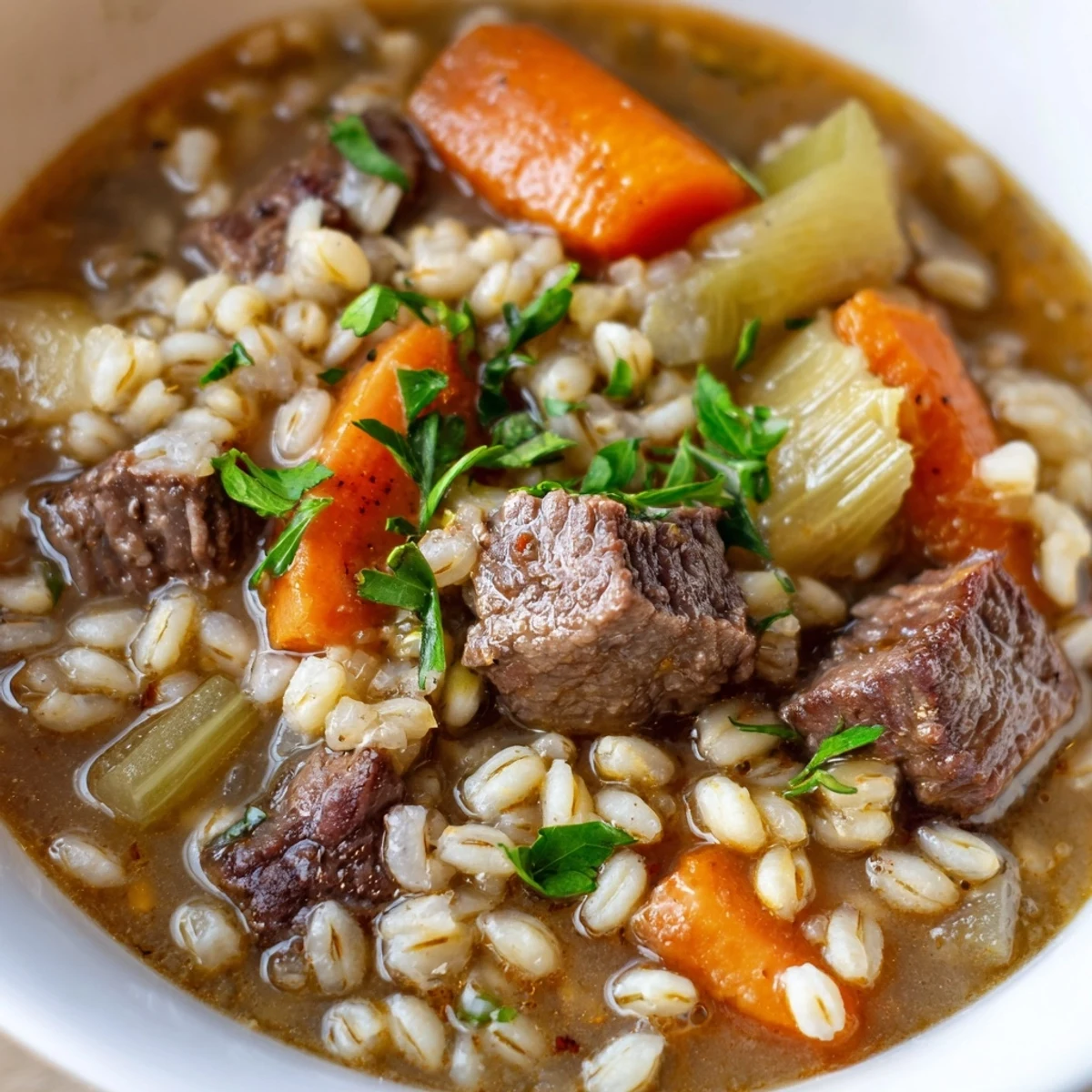
Save This beef and barley stew has become my personal ambassador of comfort, offered to new neighbors, sick friends, and family celebrations alike. It reminds us that good food, made with care and shared generously, nourishes something far deeper than just hunger.
Recipe FAQs
- → Can I use a different cut of beef?
-
Beef chuck is ideal for stewing due to its marbling and connective tissue. Alternatives include beef brisket, round, or blade roast. Avoid lean cuts like sirloin as they may become tough during long cooking.
- → What type of barley should I use?
-
Pearl barley is recommended for a creamier texture and cooks in the standard time. Hulled barley retains the bran and requires additional cooking time, typically 15-20 minutes longer.
- → How can I enhance the flavor?
-
Add tomato paste with the garlic for depth, substitute part of the beef broth with red wine, or incorporate Worcestershire sauce. Fresh herbs like parsley added at the end brighten the finish.
- → Can this stew be made ahead?
-
Yes, this stew improves overnight as flavors continue to develop and meld. Cool completely, refrigerate for up to 3 days, or freeze for up to 3 months. Reheat gently on the stovetop, adding water if needed.
- → What's the best pot for making stew?
-
A large Dutch oven or heavy-bottomed pot with a lid is essential. These distribute heat evenly and maintain consistent temperature during long simmering, preventing scorching on the bottom.
- → Is this stew gluten-free?
-
The ingredients are naturally gluten-free, but commercial beef broth may contain gluten or thickening agents. Always check labels carefully and choose certified gluten-free broth if needed.