
 Save
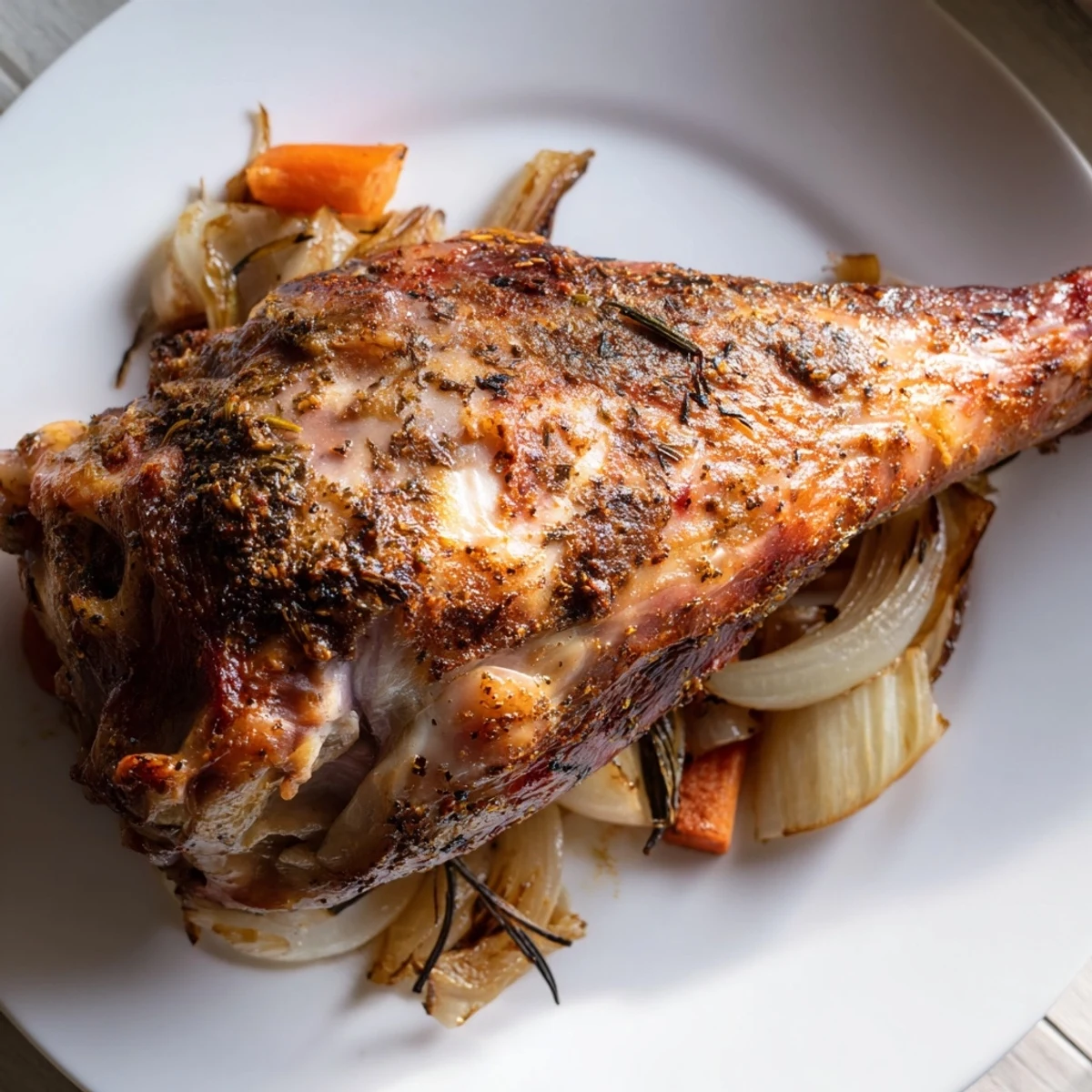
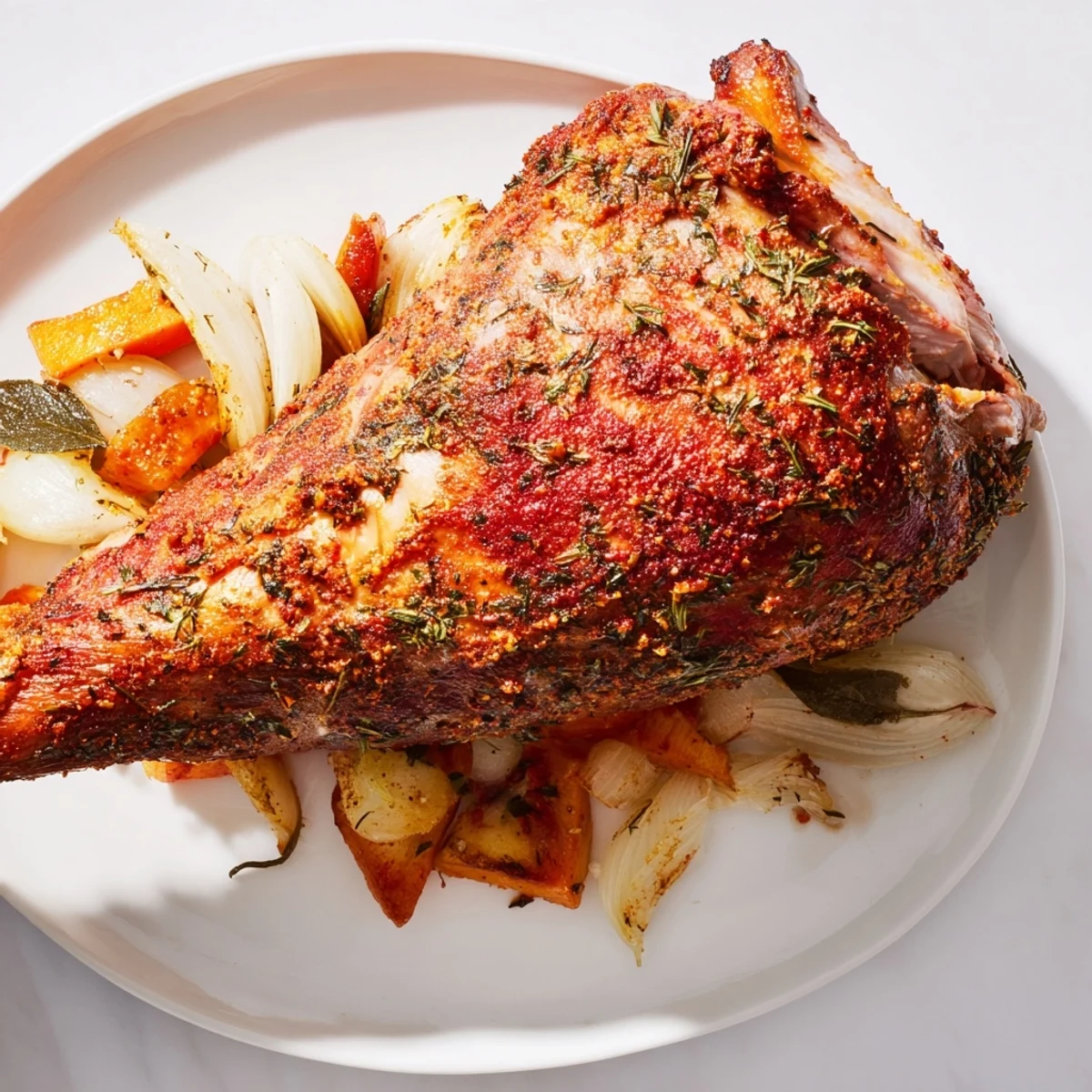
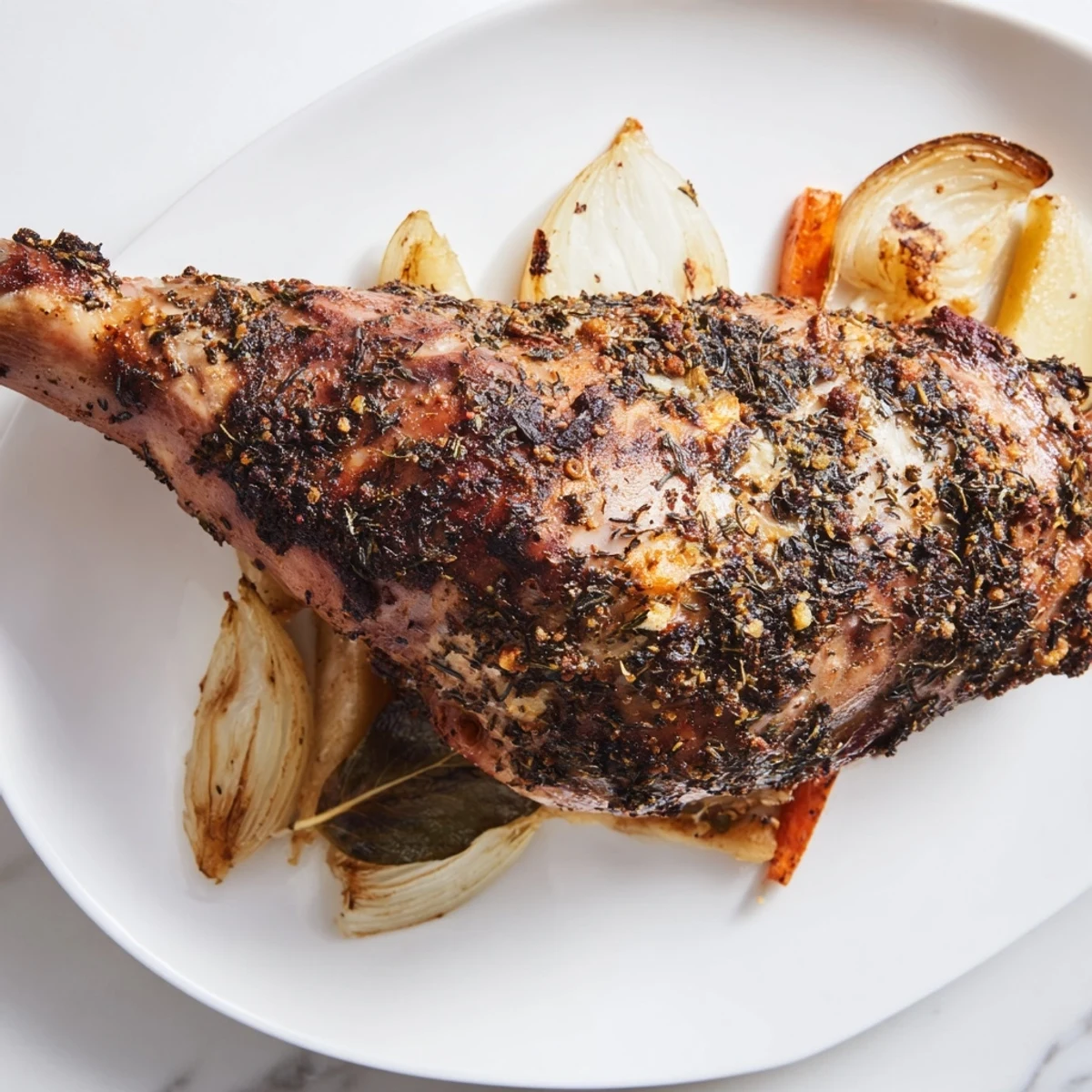
Save This dish features tender turkey legs roasted to perfection with a seasoning blend of paprika, thyme, rosemary, garlic, and onion powder. The meat stays juicy while the skin crisps up beautifully in the oven. Roasting with vegetables like carrots, celery, and onion adds depth. Using broth during cooking keeps moisture locked in. Letting the legs rest before serving ensures maximum tenderness and flavor. Ideal for a simple, satisfying meal.
I still remember the first time I roasted turkey legs at home—it was a Sunday afternoon when my neighbor mentioned how her grandmother used to make them for family dinners, with skin so crispy it practically shattered when you bit into it. That conversation sparked something, and I decided to recreate that magic in my own kitchen. What started as a simple curiosity turned into one of my favorite ways to cook poultry. There's something wonderfully honest about a turkey leg: it's unpretentious, forgiving, and absolutely delicious when treated with respect and a handful of aromatic herbs.
I made this for my sister's surprise dinner party once, and honestly, it became the star of the table. People who thought they didn't like dark meat were going back for thirds, sneaking bites straight from the bone when they thought no one was looking. That's when I knew this recipe had something special—it converts even the skeptics.
Ingredients
- 2 turkey legs (about 450 g / 1 lb each), skin-on: The foundation of everything—look for legs with unblemished, dry skin that feels substantial in your hand. Pat them completely dry before seasoning; this is the secret to that crackling exterior.
- 2 tbsp olive oil: This carries the seasonings right into the skin and helps it brown beautifully. Don't skip it or use a lighter oil.
- 1 tsp paprika: Brings warmth and a gentle sweetness that balances the savory herbs perfectly.
- 1 tsp dried thyme: The backbone of your seasoning blend—earthy and familiar without being overwhelming.
- 1 tsp dried rosemary: Use the dried version here; it holds its intensity through the long roast and won't burn.
- 1 tsp garlic powder: Gives depth without any sharp edges like fresh garlic might leave.
- 1/2 tsp onion powder: A whisper of sweetness that rounds everything out.
- Salt and freshly ground black pepper, to taste: Season generously—the turkey leg can take it and needs it.
- 1 large onion, sliced; 2 carrots, cut into chunks; 2 celery stalks, cut into chunks (optional): These vegetables create a flavor base in the pan and give you roasted vegetables as a bonus side dish.
- 120 ml (1/2 cup) chicken broth or water: Keeps everything moist and creates pan juices for basting that are liquid gold.
Instructions
- Heat your oven and prep the star:
- Set your oven to 200°C (400°F) and let it come to temperature while you work. Take your turkey legs and pat them completely dry with paper towels—this step is non-negotiable for crispy skin. Any moisture clinging to the surface will steam rather than roast.
- Build your seasoning blend:
- In a small bowl, combine the olive oil, paprika, thyme, rosemary, garlic powder, onion powder, salt, and pepper. Stir it together until you have a fragrant paste. Take a moment to smell it—this is what's going to make your kitchen smell incredible.
- Season the turkey legs:
- Rub the seasoning mixture all over the turkey legs, getting underneath the skin if you can gently lift it, and making sure every bit of visible surface gets coated. Don't be shy—massage it in like you're giving the turkey a spa treatment.
- Arrange the roasting pan:
- If you're using vegetables, scatter the sliced onion, carrots, and celery across the bottom of your roasting pan. If not, just work with an empty pan. Place the seasoned turkey legs on top, skin-side up, and pour the chicken broth around (not over) them.
- The covered roast:
- Cover the pan tightly with foil and slide it into your preheated oven. Set a timer for 50 minutes. During this time, the turkey will cook gently in a steamy environment, becoming incredibly tender.
- The unveiling and baste:
- After 50 minutes, carefully remove the foil (watch for the steam!) and brush the turkey legs with the pan juices using a basting brush or spoon. At this point, you can see how they're progressing—they should be looking golden already.
- The crispy finish:
- Increase your oven temperature to 220°C (425°F) and return the uncovered pan to the oven. This higher heat is what transforms the skin from merely browned to genuinely crispy. Roast for another 25-30 minutes, until the skin is deep golden brown and crackling.
- Check for doneness:
- Use a meat thermometer inserted into the thickest part of the leg without touching bone—you're looking for 74°C (165°F). Once you hit that temperature, you're done.
- Rest before serving:
- Remove the turkey from the oven and let it sit for 5-10 minutes before serving. This allows the juices to redistribute throughout the meat, keeping every bite moist and tender.
 Save
Save There was a moment during one of those dinner parties when my niece bit into her turkey leg and her eyes went wide with surprise—she'd never had anything like it before. Watching someone discover a new favorite food because of something you made for them is pure kitchen magic. That's what this recipe does; it turns a simple roasted bird into a memory.
Choosing Your Turkey Legs
Not all turkey legs are created equal, and I've learned this the hard way. Look for legs that feel meaty and substantial—sometimes the smaller ones can dry out before the skin crisps. If your grocery store offers a choice, pick the larger ones. The ratio of meat to bone is better, and they handle the cooking time more forgivingly. I also prefer bone-in, skin-on legs because the bone conducts heat beautifully and the skin is what makes this recipe shine. Boneless turkey doesn't have the same appeal or that satisfying moment when you're eating so close to the bone.
Making It Your Own
The herb blend I've given you is my go-to, but this recipe is flexible enough to accommodate your own preferences. If you love citrus, add a tablespoon of lemon juice to the oil before rubbing it on. If you're an oregano person, swap it in for the thyme. I've also made this with smoked paprika for a more robust flavor, and with a pinch of cayenne if I wanted a subtle heat. The vegetables at the bottom of the pan are optional, but I almost always include them because they become soft and flavorful, soaking up all those pan juices. Sometimes I throw in fresh rosemary sprigs between the vegetables—just for appearance and because I like the extra fragrance.
Serving and Storing
Serve these turkey legs hot, right from the oven, with whatever sides call to you. Roasted potatoes are the classic pairing, but mashed sweet potatoes offer a lovely contrast, and a crisp green salad cuts through the richness beautifully. I often serve them with a simple pan sauce made from the remaining pan juices—just strain it, skim any excess fat, and drizzle it over everything. Leftovers are a gift: shred the meat and pile it onto crusty bread for sandwiches, or toss it into a salad with some of those roasted vegetables for lunch the next day. The meat keeps well in the refrigerator for about three days, though honestly, it rarely lasts that long in my house.
- If you want to make this for just one person, you can cook a single turkey leg and simply halve the seasonings and broth.
- The pan juices are liquid gold—never discard them. Use them for basting, make gravy from them, or sip them warm from a spoon when you think no one's looking.
- This is gluten-free as written, making it perfect for those with dietary restrictions.
 Save
Save There's something deeply satisfying about roasting a turkey leg—it's uncomplicated, honest cooking that delivers real flavor and real comfort. I hope this becomes a recipe you return to again and again, the way I do.
Recipe FAQs
- → How do I ensure the turkey leg stays juicy?
-
Marinate the turkey legs for several hours and roast covered with foil initially, adding broth to maintain moisture before crisping the skin uncovered.
- → What herbs complement turkey leg well?
-
Paprika, dried thyme, rosemary, garlic powder, and onion powder create a fragrant, balanced seasoning blend.
- → Can vegetables be roasted with the turkey leg?
-
Yes, placing carrots, celery, and onions under the turkey legs allows their flavors to mingle and adds a delicious side.
- → What temperature should the oven be set to?
-
Start roasting at 200°C (400°F) covered, then increase to 220°C (425°F) uncovered for crisp skin.
- → How long should the turkey leg rest after cooking?
-
Rest the cooked turkey legs for 5 to 10 minutes to allow juices to redistribute, ensuring tenderness.