
 Save
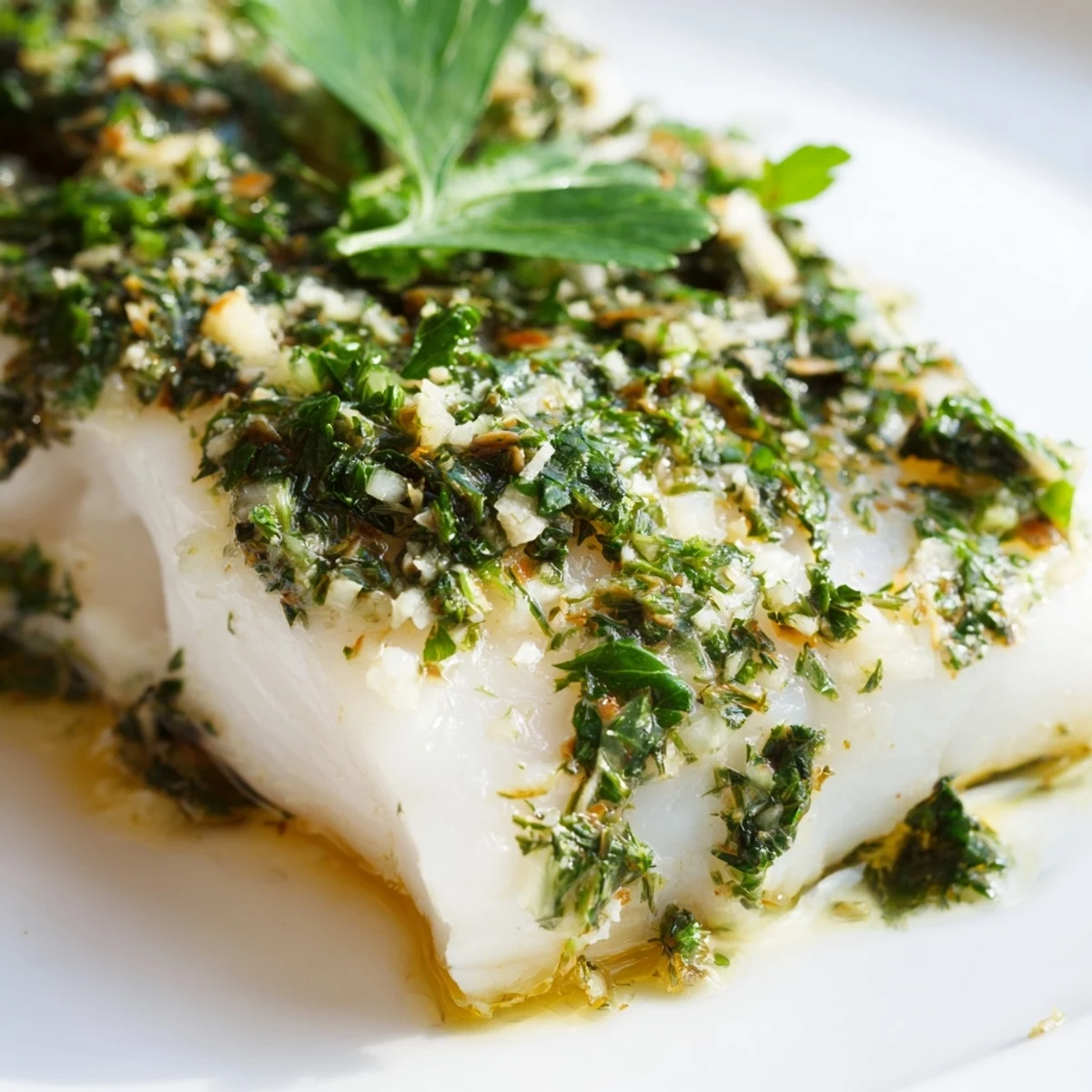
Save This dish features tender halibut fillets baked with a fragrant blend of parsley, dill, chives, garlic, and lemon. The fresh herbs combined with olive oil create a vibrant, light flavor that enhances the natural fish taste. Baking gently infuses the fillets, keeping them moist and flaky. Perfect for a quick, elegant main course, it suits gluten-free and low-carb lifestyles. Simple preparation and fast cooking make it ideal for weeknight dinners or special occasions.
My sister called me in a panic one weeknight, convinced she'd ruined dinner by overcooking fish the night before. I suggested halibut instead—something foolproof that wouldn't betray her in the oven. When she called back an hour later, her voice had shifted entirely. The fish had turned out flaky, bright with fresh herbs, nothing like the dense, rubbery mistake from before. That single baked fillet taught me something I'd been missing: sometimes the simplest preparations reveal the most honest flavors.
I made this for my neighbor who mentioned offhand that she was tired of the same rotisserie chicken cycle. She brought it back the next day—not the dish, but a story about how her kids actually ate the vegetables she'd served alongside it without negotiating. That's when it hit me: this recipe doesn't perform; it just works quietly in the background, letting everything around it shine brighter.
Ingredients
- 4 halibut fillets (about 170 g / 6 oz each), skinless: Halibut's delicate texture means it cooks through quickly without drying out, but the size matters—thinner fillets risked becoming mealy in my early attempts.
- 2 tablespoons fresh parsley, finely chopped: Parsley is your green insurance policy; it stays bright and herbaceous even after the oven.
- 1 tablespoon fresh dill, finely chopped: Dill's anise-like notes marry beautifully with lemon in ways dried versions never quite capture.
- 1 tablespoon fresh chives, finely chopped: These mild onion strands add whisper-soft depth without the sharpness that would overshadow the fish.
- 2 garlic cloves, minced: Garlic mellows considerably when baked whole, so mincing ensures its flavor threads through every bite.
- 1 teaspoon sea salt: Sea salt dissolves more evenly across the herb mixture than table salt, distributing flavor with grace.
- ½ teaspoon freshly ground black pepper: Grind it fresh into the mixture; pre-ground pepper tastes stale against such clean, bright ingredients.
- 2 tablespoons extra-virgin olive oil: This is your binding agent and flavor amplifier—choose one you'd actually taste on bread.
- 1 lemon, zested and juiced: Zest first, then juice; the oils in that zest carry the lemon's soul, while the juice itself is pure brightness.
- Lemon wedges and extra fresh herbs for garnish: These aren't decoration—they're the final permission slip to squeeze and taste and adjust as you eat.
Instructions
- Preheat and prepare your stage:
- Set your oven to 200°C (400°F) and line a baking dish with parchment paper or light olive oil. This takes pressure off later—you'll slide the fillets into a warm, ready space.
- Dry the fish with intention:
- Pat each halibut fillet gently but thoroughly with paper towels. Moisture is the enemy of browning, and even though we're not searing here, a dry surface helps the herb mixture cling and the flesh cook evenly.
- Build your herb paste:
- Combine parsley, dill, chives, minced garlic, salt, pepper, olive oil, lemon zest, and juice in a small bowl. The mixture should look loose but herbaceous, almost a loose paste.
- Coat each fillet with care:
- Spoon the herb mixture generously over the halibut, then use the back of your spoon to gently press it onto the surface. You're not trying to flatten the fish—just ensuring the herbs make contact so they infuse as it cooks.
- Bake until just opaque:
- Slide into the oven for 12-15 minutes, checking at the 12-minute mark by gently pressing the thickest part with a fork. The flesh should flake and turn from translucent to opaque, nothing more.
- Serve while it still steams:
- Transfer to plates immediately and scatter with lemon wedges and any extra herbs. Timing matters here—this dish gives its best performance warm.
 Save
Save My mother called after trying this, not to compliment the recipe, but to ask why fish she'd always believed tasted fishy suddenly tasted like something else entirely. I realized then that baked halibut is less about technique and more about permission—permission to eat simply, to taste the ingredients instead of masking them, to sit at a table and feel like you've done something right.
Why Simplicity Wins Here
The secret to this dish is restraint. When I first made baked fish, I wanted to layer flavors—capers, tomatoes, butter, cream. Each addition felt like insurance against blandness. Then I tasted a version with nothing but fish, salt, and a squeeze of lemon at a tiny restaurant by the sea, and everything shifted. The halibut's own sweetness, its tender texture, its clean mineral notes—these were already the story. The herbs and lemon are just there to whisper, not shout.
How to Know When It's Perfect
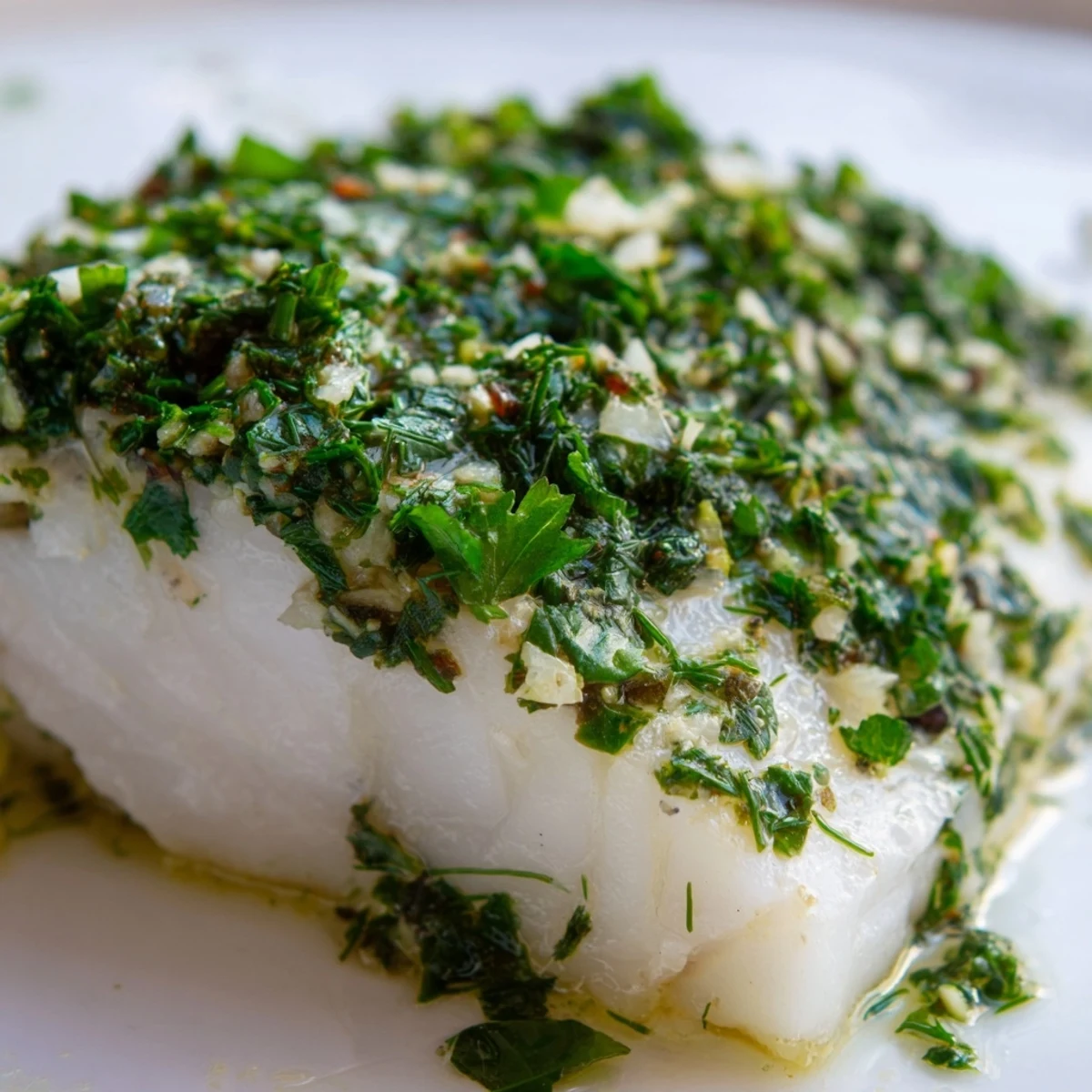
The halibut should look opaque and white, not translucent, and when you press it gently with a fork, the flesh should separate into soft flakes without any resistance. If you see any translucent sections at the thickest part, give it another minute or two. Overcooked fish becomes mealy and sad; underdone fish is a different story—almost buttery—but food safety matters more than any flavor memory.
Serving and Pairing Ideas
This halibut pairs beautifully with steamed vegetables that don't compete—tender asparagus, broccoli florets, or thin green beans all let the fish stay the star. Rice works equally well, soaking up those herb-infused juices. For drinks, a crisp Sauvignon Blanc or a light Chardonnay won't overpower the delicate fish, though honestly, cold water with lemon tastes equally right at the table.
- If you're adding heat, a light sprinkle of chili flakes scattered over before baking brings gentle warmth without aggression.
- Cod, haddock, or sea bass work beautifully as swaps if halibut isn't available or in your budget that week.
- Make extra of the herb mixture and freeze it in ice cube trays—it's become my secret ammunition for any mild white fish caught in the week ahead.
 Save
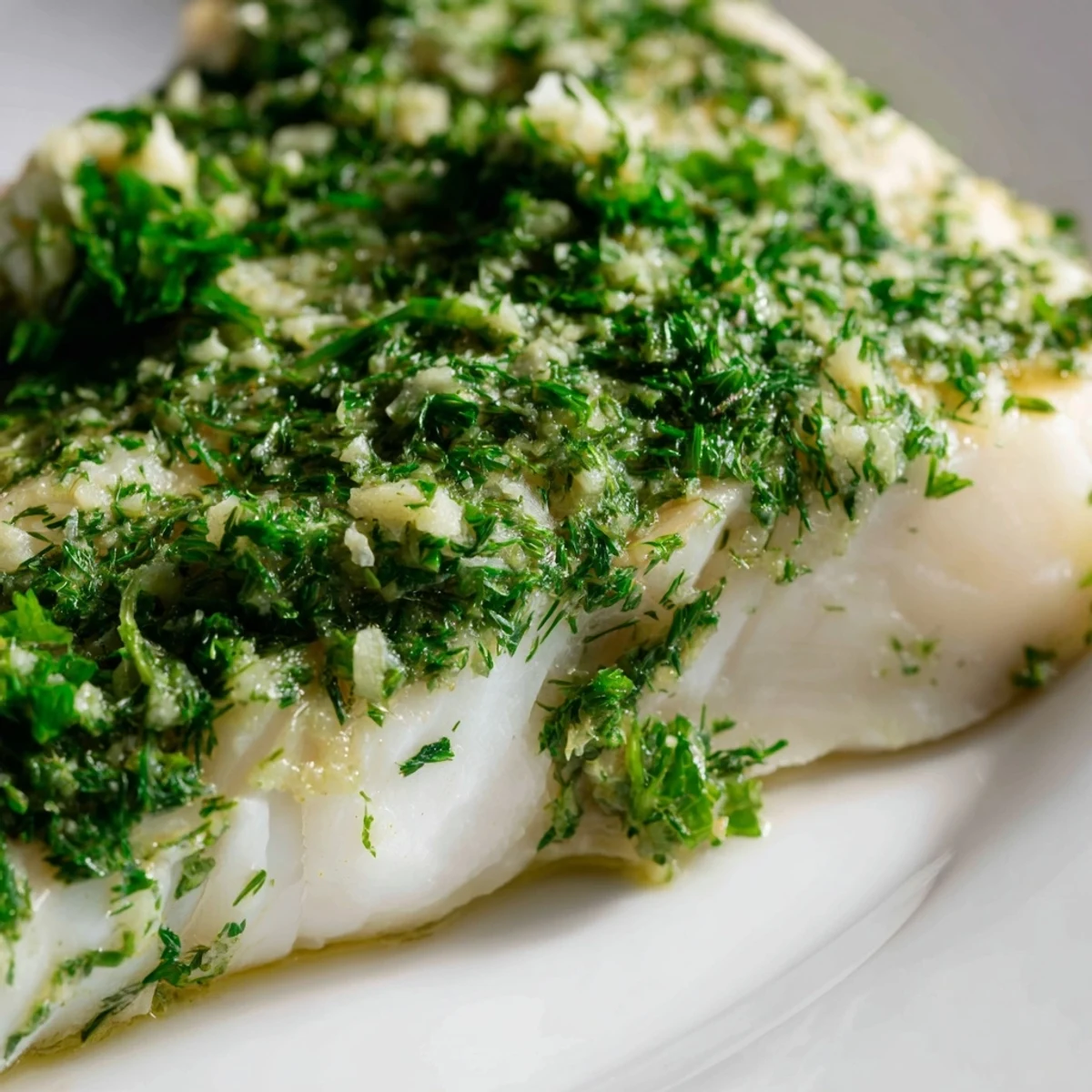
Save This recipe asks very little and gives back more than you'd expect. It's the kind of meal that reminds you cooking doesn't always require complexity to feel like care.
Recipe FAQs
- → What herbs work best with halibut?
-
Fresh parsley, dill, and chives complement halibut’s mild flavor and add brightness.
- → Can I substitute the fish?
-
Yes, cod, haddock, or sea bass can be used as alternatives, adapting to similar cooking times.
- → How do I know when the fish is cooked?
-
The fillets should flake easily with a fork and appear opaque throughout when done.
- → What side dishes pair well with this dish?
-
Steamed vegetables, fresh salads, or light grains like rice balance the flavors nicely.
- → Can I add some heat to this preparation?
-
A sprinkle of chili flakes adds gentle heat without overpowering the herbs.