
 Save
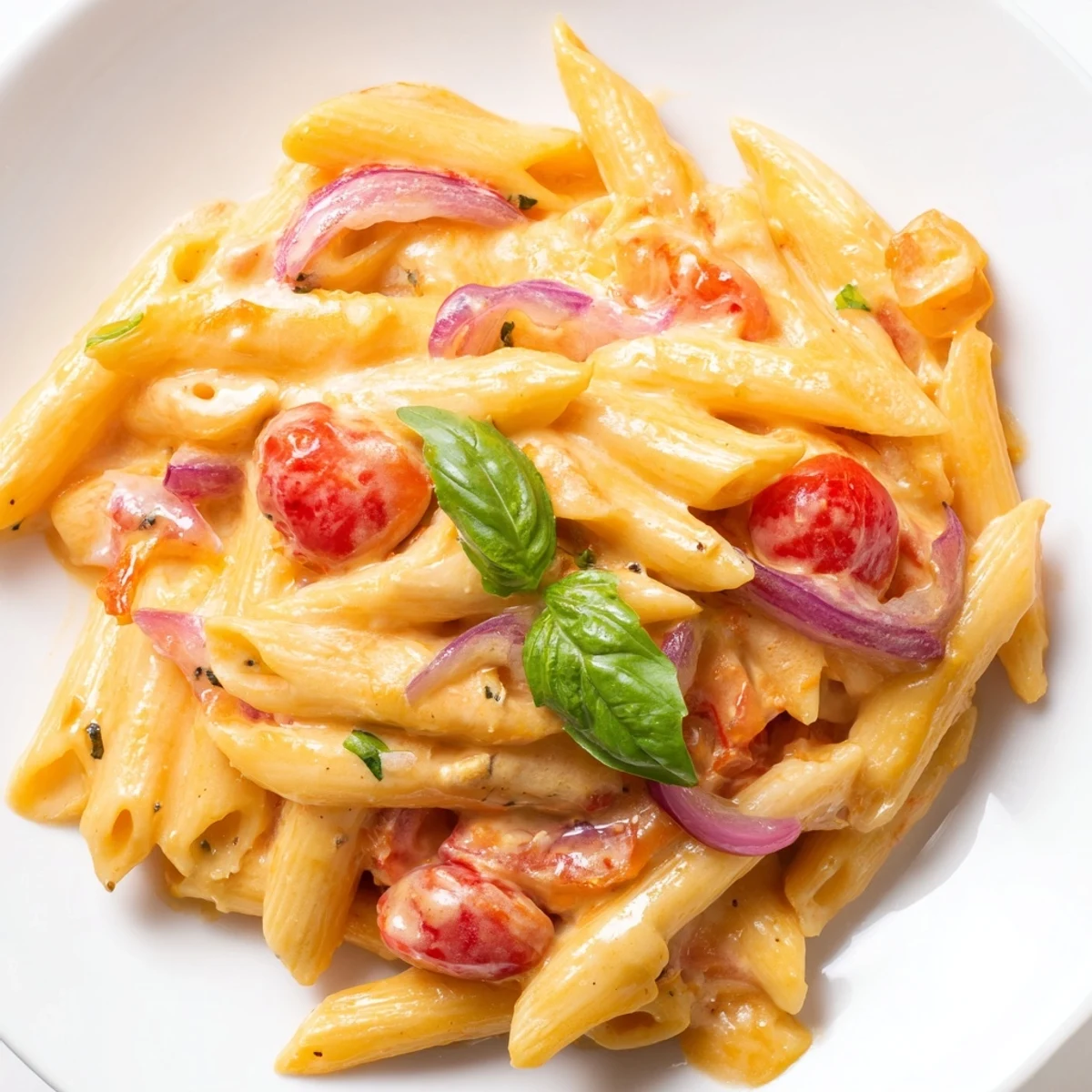
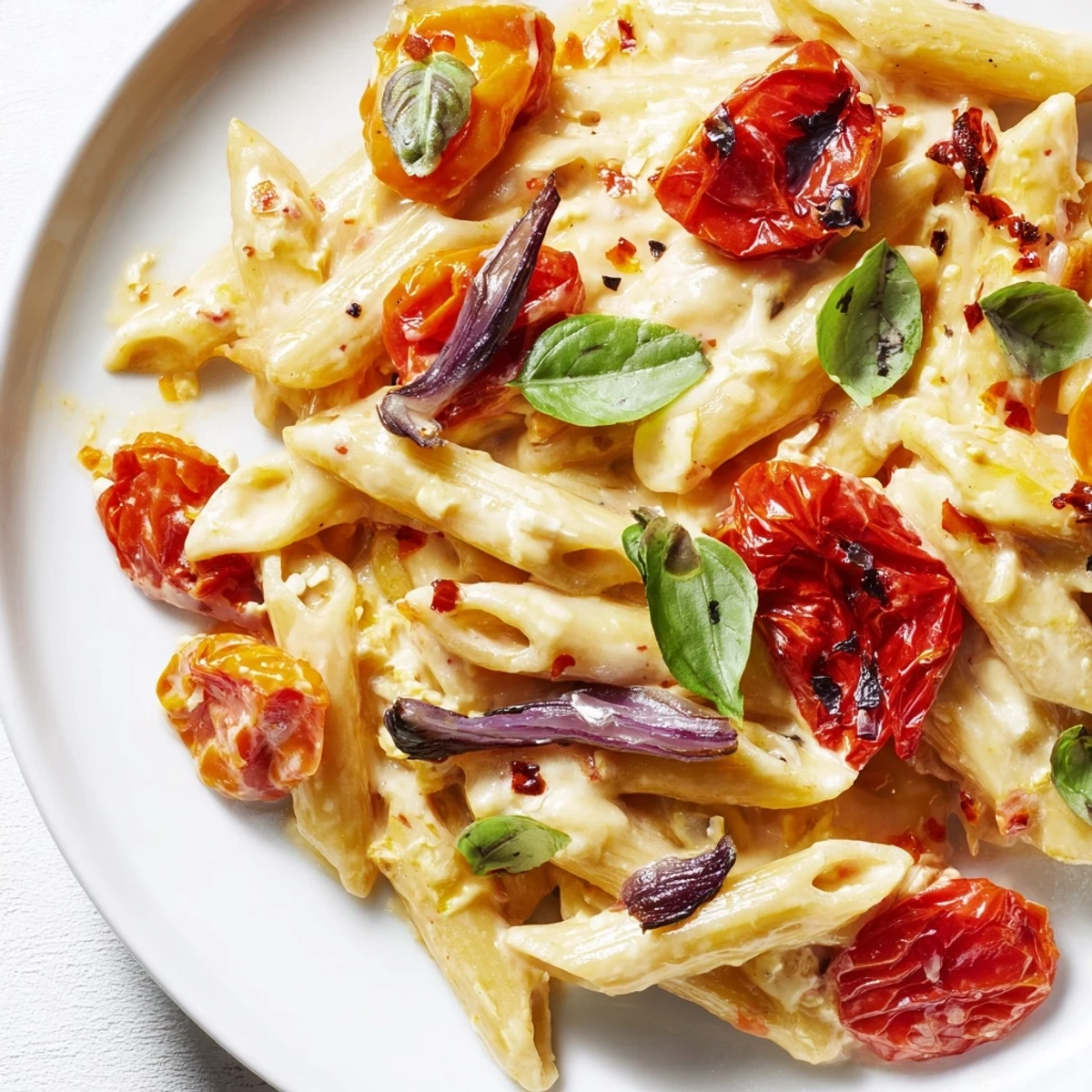
Save This dish combines roasted feta and blistered cherry tomatoes, creating a luscious sauce that's tossed with pasta and fresh basil. Baking softens the feta and intensifies the tomatoes, blending into a vibrant, creamy sauce without heavy preparation. Fresh basil adds bright herbaceous notes, balancing the rich, savory flavors. Simple ingredients and an easy bake bring maximum taste with minimal effort, perfect for a weeknight Mediterranean-inspired meal.
There's a moment in every cook's life when a recipe stops being instructions and becomes something you reach for on autopilot. For me, that was the evening I pulled a block of feta from the pantry and thought, why not just roast it? What emerged from the oven was warm, creamy, tangled with blistered tomatoes, and so effortlessly good that I've made it dozens of times since. It's the kind of dish that feels like both a shortcut and a celebration.
I served this to friends on a Tuesday night when I'd planned nothing ambitious, and someone asked if I'd learned to cook French. I laughed and said no, just Mediterranean patience and an oven that does most of the work. That conversation alone made it a keeper.
Ingredients
- Feta cheese: A good block is essential—it needs enough surface area to catch that golden exterior while staying creamy inside. Don't buy crumbles; the texture won't be right.
- Cherry tomatoes: They're forgiving here because roasting brings out their sweetness, whether they're peak season or not. Whole ones matter because they'll burst at their own pace.
- Garlic: Sliced thin so it caramelizes gently alongside the tomatoes without burning or turning bitter.
- Fresh basil: Tear it by hand instead of chopping, which bruises the leaves less and keeps the flavor brighter.
- Extra virgin olive oil: This is where your money matters most in this dish. Use something you actually like to taste.
- Dried pasta: Penne or fusilli work best because their shapes catch the creamy tomato sauce. Avoid thin strands that'll disappear into the mix.
- Red pepper flakes: Optional but worth it—just a whisper adds warmth without heat.
Instructions
- Set your stage:
- Preheat the oven to 200°C (400°F). This matters because you want the tomatoes to blister, not steam, and the feta to turn golden at the edges.
- Build the foundation:
- Scatter the cherry tomatoes, sliced garlic, and red onion (if using) across an ovenproof baking dish. Drizzle with 2 tablespoons of olive oil, season generously with salt and pepper, and toss everything so each tomato glistens. You're not making a sauce yet; you're just getting ready.
- Crown the dish:
- Nestle the feta block right in the center, like it owns the place. Drizzle the last tablespoon of oil over top. Don't worry if it looks sparse—everything will come together in the heat.
- Let the oven work:
- Bake for 30 minutes until the tomatoes have burst their skins and the feta has softened and turned golden. You should smell something amazing halfway through; that's how you know you're on track.
- Cook your pasta:
- While the oven does its magic, bring a large pot of salted water to a boil and cook the pasta until it's al dente—tender but still with a tiny bit of resistance when you bite it. Before draining, scoop out and save about ½ cup of the starchy cooking water, which is liquid gold for making the sauce silky.
- Bring it all together:
- Remove the hot baking dish from the oven and use a fork to gently mash the feta and tomatoes together until they form a creamy, broken sauce. It won't be smooth—it shouldn't be. That texture is part of the charm.
- Marry the pasta:
- Add the drained pasta and half the basil to the baking dish and toss everything so each strand gets coated. Add splashes of reserved pasta water until the sauce feels silky and flows gently, not stiff.
- Finish and serve:
- Divide among bowls, scatter the remaining basil on top, and crack fresh black pepper over everything. Eat while it's still warm and the basil leaves are fragrant.
 Save
Save There's something grounding about a dish this simple, where you can actually taste every ingredient instead of trying to decode a long list. Feta, tomato, basil, oil, and heat—that's all it takes to feel like you've cooked something worth remembering.
Why This Became My Go-To
For years I thought a proper pasta dish meant simmering sauce for hours or building flavor through layers of technique. This one flipped that on its head. The oven does most of the work while you stand nearby, and somehow that feels more honest than fussing constantly. It proved to me that sometimes the most elegant cooking is also the most restful.
Making It Your Own
The beauty of this recipe is how it invites play without needing it. I've tucked in roasted red peppers, scattered Kalamata olives across the tomatoes before baking, or wilted a handful of spinach into the pasta at the end. Each time it still tastes like itself. The feta and tomato frame holds everything together, so you can fill it with whatever you have or whatever you're craving that day.
A Few Things I've Learned
The first time I made this, I used pre-crumbled feta and wondered why the sauce turned grainy instead of creamy. A block makes all the difference because it stays cohesive as it softens. Also, don't be afraid of blistering the tomatoes—those burst, slightly charred skins are where the flavor deepens. And one small thing: tearing the basil by hand instead of cutting it keeps it bright and alive rather than bruised and dark.
- If your oven runs hot, check the feta and tomatoes around the 25-minute mark so nothing burns on the edges.
- This reheats gently on the stovetop with a splash of water if you have leftovers, though it's best eaten fresh and warm.
- A glass of crisp white wine, something like Sauvignon Blanc, tastes perfect alongside this without competing with the simple flavors.
 Save
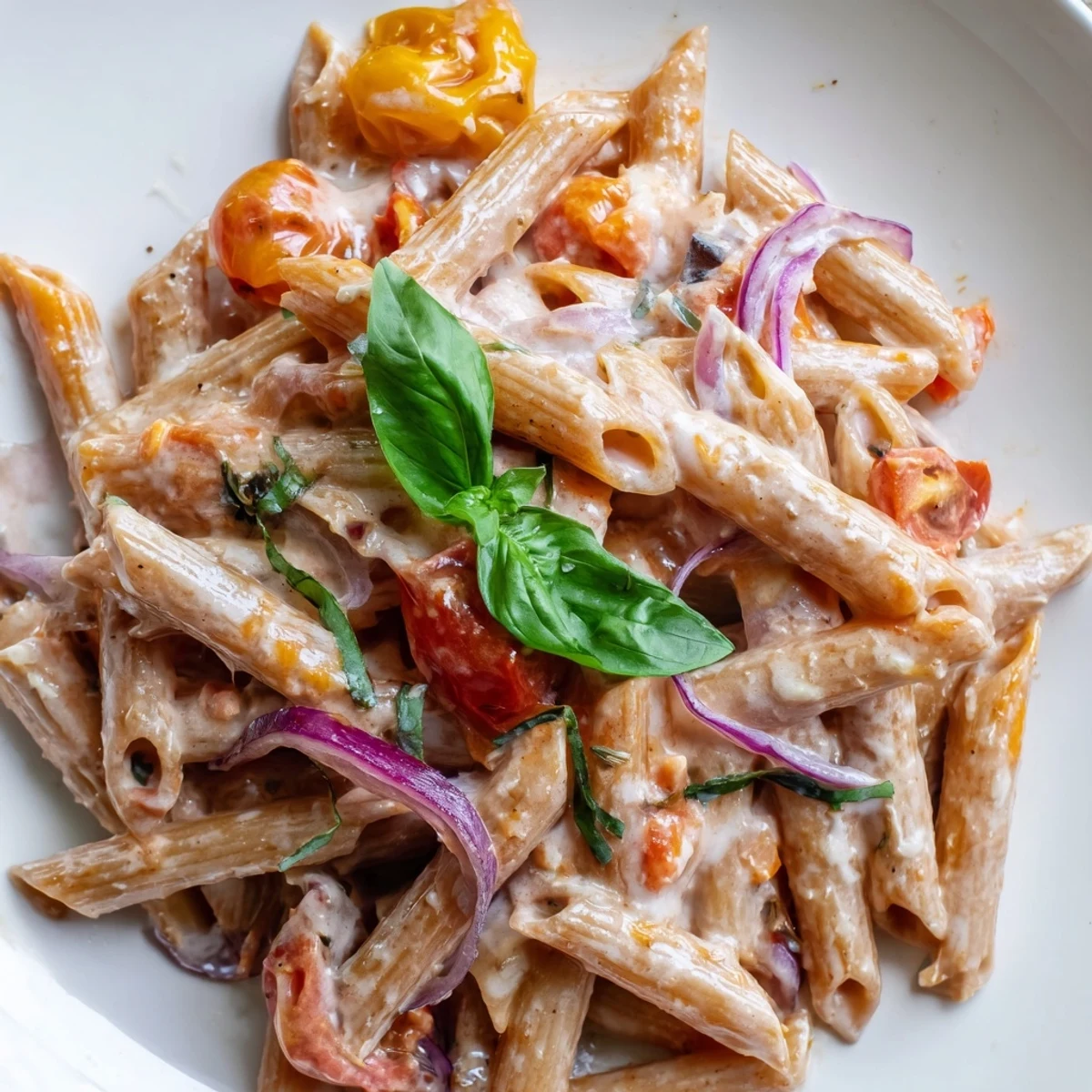
Save This is the kind of meal that tastes better when you slow down and notice it—the warmth of the bowl, the basil fragrance, the way feta and tomato meld into something richer than their parts. It's proof that you don't need hours or complexity to cook something that feels like love on a plate.
Recipe FAQs
- → What type of pasta works best?
-
Penne or fusilli are ideal as their shapes hold the creamy sauce well, but any dried pasta can be used.
- → How to know when the feta and tomatoes are done baking?
-
The tomatoes should be blistered and slightly bursting, while the feta turns golden and soft enough to mash easily.
- → Can fresh herbs other than basil be used?
-
Yes, herbs like oregano or parsley can be added to complement the flavors, but basil brings a classic Mediterranean freshness.
- → Is it necessary to reserve pasta water?
-
Reserving some pasta water helps achieve a silky sauce texture when tossing everything together after baking.
- → How can the dish be adapted for dietary restrictions?
-
For a vegan option, substitute vegan feta, and use gluten-free pasta if needed to avoid gluten.