
 Save
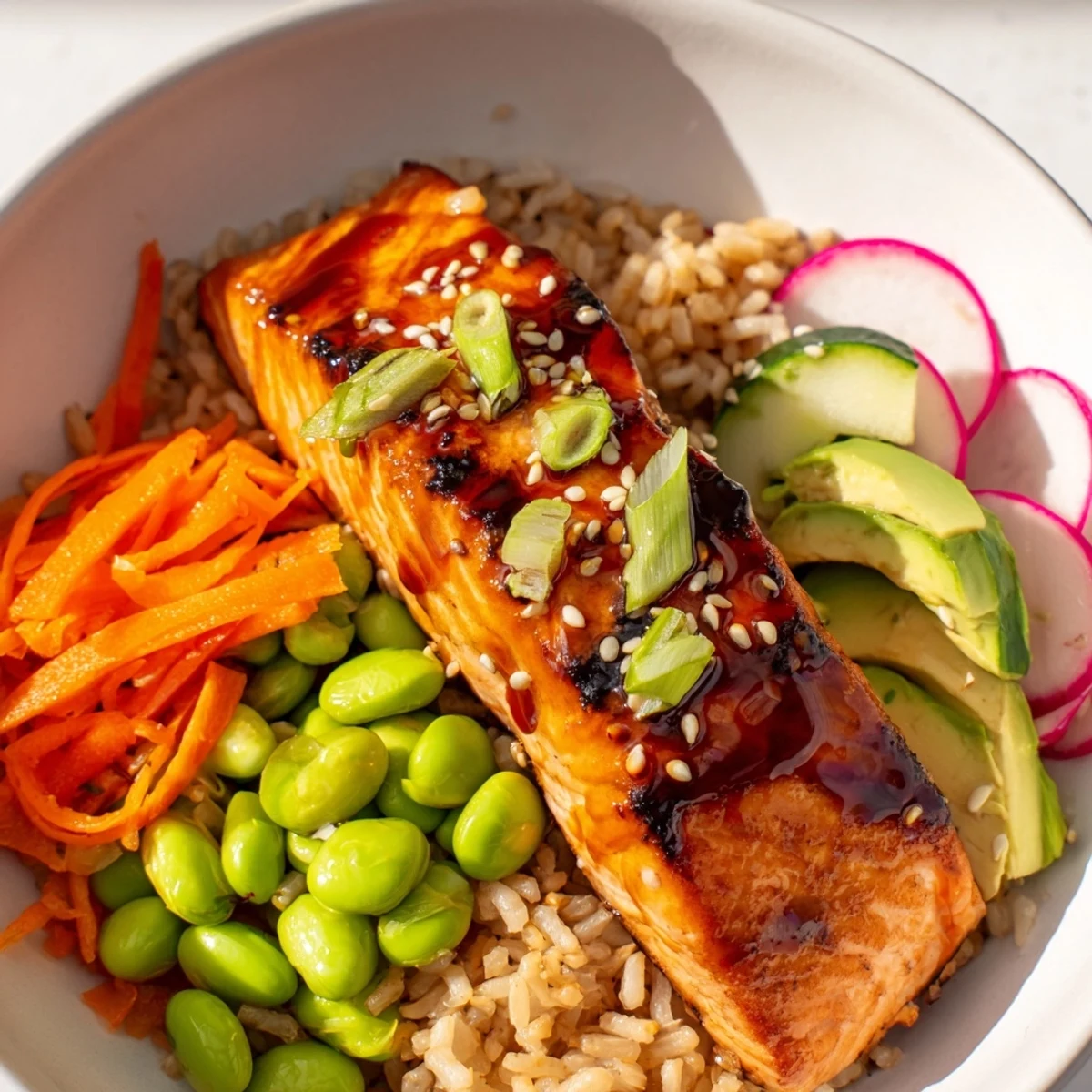
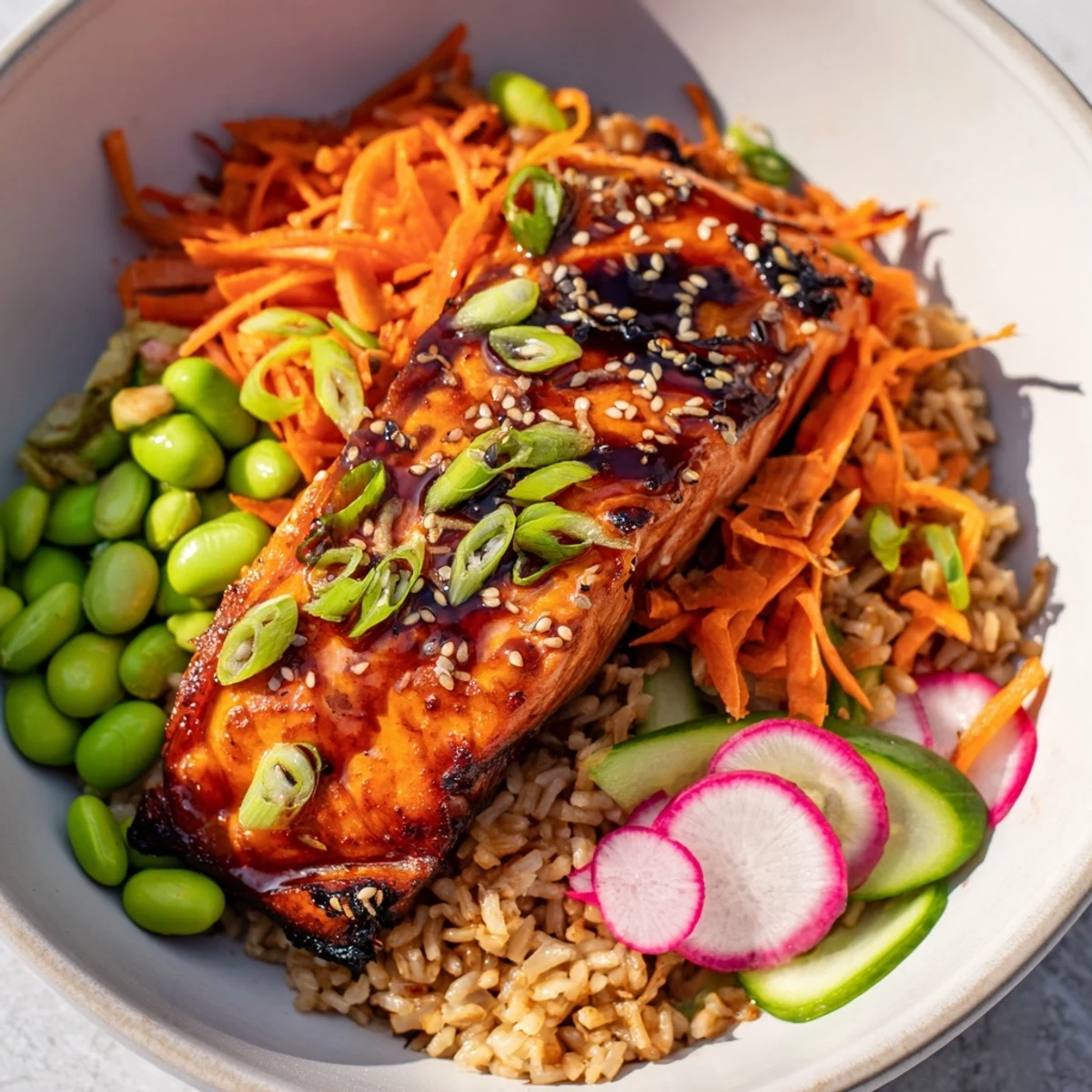
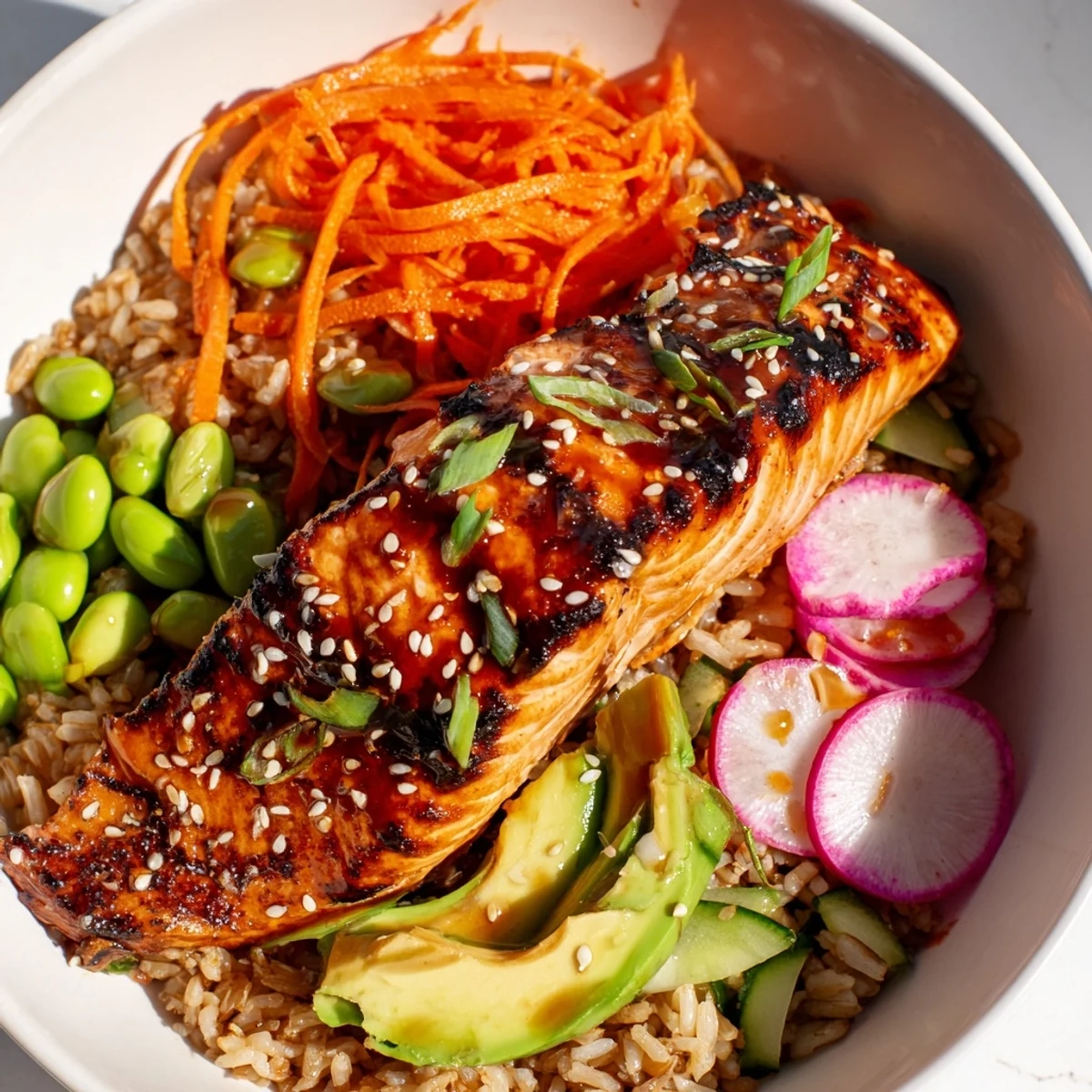
Save This Asian salmon grain bowl brings together perfectly caramelized, soy-glazed salmon fillets with a bed of fluffy brown rice or quinoa. Topped with shredded carrots, cool cucumber, buttery avocado slices, and protein-rich edamame, every bite offers a satisfying mix of textures.
A zesty soy-lime dressing ties everything together, while sesame seeds and fresh scallions add a finishing crunch. Ready in just 40 minutes, it's an ideal weeknight dinner that feels both wholesome and indulgent.
The sizzle of salmon hitting a hot pan on a Tuesday evening changed my entire approach to weeknight dinners. I had been stuck in a rut of pasta and stir fries until a friend brought over a grain bowl from a local cafe and I thought, I can absolutely make this better at home. That first attempt was messy, the rice was slightly overcooked, and I burned the edge of one fillet, but the glaze was so good I ate it standing at the counter anyway. Now this bowl rotates through my kitchen at least twice a month, especially when I want something that feels intentional without demanding an entire evening.
I made this for my sister the week she started a new job and insisted on plating each bowl like we were at a restaurant, arranging radishes in little fans and scattering sesame seeds with ridiculous precision. She laughed at me, took one bite, and then quietly asked for the recipe before she even finished chewing.
Ingredients
- Salmon fillets (4, about 150 g each, skinless): The star of the bowl, and worth spending a little extra for fillets that are thick and evenly cut so they cook uniformly.
- Soy sauce (3 tbsp for marinade plus 2 tbsp for dressing): Use a good quality one, it is the backbone of both the glaze and the dressing, and you will taste the difference.
- Honey (2 tbsp for marinade, 1 tsp for dressing): This is what helps the salmon get that gorgeous caramelized crust under the broiler.
- Sesame oil (1 tbsp for marinade, 1 tsp toasted for dressing): A little goes a long way, and the toasted version in the dressing adds a nutty finish that pulls everything together.
- Rice vinegar (2 tsp for marinade, 1 tbsp for dressing): Adds brightness and balances the sweetness of the honey beautifully.
- Fresh ginger (1 tsp, grated): Fresh is nonnegotiable here, the powdered stuff will not give you the same warmth or bite.
- Garlic (1 clove, minced): One clove is enough, you want it present but not commanding.
- Sriracha (1 tsp, optional): I always add it, but you can skip it if you prefer things mild.
- Brown rice, quinoa, or grain blend (1 cup): Brown rice is my default, but quinoa cooks faster and farro adds a chewiness I love on cooler evenings.
- Water (2 cups) and salt (1/2 tsp): For cooking the grains, and do not skip the salt.
- Shredded carrots (1 cup): They add crunch and color, and I sometimes buy the pre shredded kind to save my wrist.
- Cucumber (1 cup, thinly sliced): English cucumber works best because the seeds are smaller and the texture stays crisp.
- Shelled edamame (1 cup, cooked): Extra protein and a pop of green that makes the bowl look vibrant.
- Avocado (1, sliced): Creaminess that no other ingredient can replicate, so add it right before serving.
- Radishes (4, thinly sliced): Their peppery bite is a surprising contrast that makes each bowl more interesting.
- Scallions (2 tbsp, thinly sliced): Scatter these on last for a sharp, fresh finish.
- Sesame seeds (1 tbsp): Toasted if you have them, they add a delicate crunch.
- Fresh cilantro or mint (optional): Either one brightens the whole bowl in a way that surprises me every time.
- Lime juice (1 tbsp for dressing): This small amount wakes up the dressing and ties it to the acidity in the salmon glaze.
Instructions
- Whisk the glaze together:
- In a small bowl, combine the soy sauce, honey, sesame oil, rice vinegar, grated ginger, garlic, and sriracha if you are using it. Whisk until the honey dissolves and the mixture smells fragrant and slightly sweet.
- Marinate the salmon:
- Lay the fillets in a shallow dish and pour the glaze over them, turning once so every side is coated. Let them sit for fifteen to twenty minutes while you prepare everything else, and resist the urge to skip this step because the flavor really builds here.
- Cook the grains:
- Rinse whichever grain you chose, then combine it with the water and salt in a saucepan. Bring it to a boil, reduce the heat to low, cover, and let it simmer until tender, about fifteen to twenty minutes for brown rice. Fluff with a fork and keep it warm.
- Broil or grill the salmon:
- Preheat your broiler or grill to medium high. Place the marinated fillets on a lined baking tray and cook for six to eight minutes, watching closely near the end so the glaze caramelizes without burning. The salmon is ready when it flakes easily but still has a slight translucence in the very center.
- Make the dressing:
- Whisk together the soy sauce, rice vinegar, lime juice, honey, and toasted sesame oil in a small bowl until combined. Taste it and adjust with a little more lime if you want it brighter.
- Assemble the bowls:
- Divide the warm grains among four bowls. Arrange the carrots, cucumber, edamame, avocado, and radishes around the grains in sections, then place a salmon fillet on top of each. Drizzle generously with the dressing and finish with scallions, sesame seeds, and herbs if you have them.
 Save
Save The evening I served this to a group of friends on my tiny apartment balcony, someone paused mid conversation to say this is the kind of food that makes you slow down and actually taste things. That observation stuck with me more than any compliment ever could.
A Few Words on Getting the Salmon Right
The trick is pulling the salmon from the heat just before you think it is done, because carryover cooking will finish the job while you assemble the bowls. Thick fillets are more forgiving than thin ones, and if your fish has a strong smell before you cook it, that is your signal to find fresher fillets.
Choosing Your Grain
Brown rice gives you something hearty to anchor the bowl, but quinoa is brilliant when you want a faster cooking option with a lighter texture. I have also used farro on rainy evenings when I wanted something chewier and more substantial, and each version changes the personality of the dish entirely.
Making It Your Own
Think of this bowl as a template rather than a strict set of rules, because some of my favorite versions came from using whatever was in the fridge. Snap peas instead of edamame, pickled red onion in place of radishes, a squeeze of extra lime when the avocado is not quite ripe enough.
- Teriyaki tofu works beautifully if you need a vegetarian version, just press the tofu well before marinating.
- A glass of crisp dry Riesling or a pot of green tea alongside turns this into a proper dinner.
- Remember that the dressing keeps for three days in the fridge, so make extra for tomorrow.
 Save
Save This bowl is proof that weeknight cooking does not have to be boring or complicated to feel like something special. Make it once and you will find yourself reaching for that soy honey glaze on autopilot before long.
Recipe FAQs
- → Can I use frozen salmon fillets instead of fresh?
-
Yes, frozen salmon works well. Thaw it completely in the refrigerator overnight before marinating. Pat the fillets dry with paper towels to ensure the glaze adheres properly and you get a nice caramelized finish under the broiler.
- → What grains work best for this bowl?
-
Brown rice, quinoa, or farro all make excellent bases. Brown rice offers a chewy, nutty foundation, while quinoa cooks faster and adds extra protein. A pre-made grain blend is also a convenient option for busy weeknights.
- → How do I know when the salmon is cooked through?
-
Salmon is done when it flakes easily with a fork and reaches an internal temperature of 145°F (63°C). Under the broiler, this typically takes 6 to 8 minutes depending on thickness. The glaze should be bubbly and slightly caramelized on top.
- → Can I meal prep this grain bowl ahead of time?
-
Absolutely. Cook the grains and prepare the vegetables up to two days in advance, storing them separately in airtight containers. Make the salmon fresh when ready to serve for the best texture, and dress the bowls just before eating to keep everything crisp.
- → Is there a gluten-free version of this dish?
-
Yes. Simply swap the soy sauce for tamari, which is naturally gluten-free. Double-check that your rice vinegar and sriracha labels are gluten-free as well. All other ingredients, including the grains and vegetables, are naturally free of gluten.
- → What can I substitute for salmon if I don't eat fish?
-
Firm tofu pressed and cubed makes a great plant-based alternative. Brush it with the same marinade and pan-fry or bake until golden. Thick-cut tempeh or portobello mushrooms also absorb the glaze beautifully for a hearty vegetarian option.