
 Save
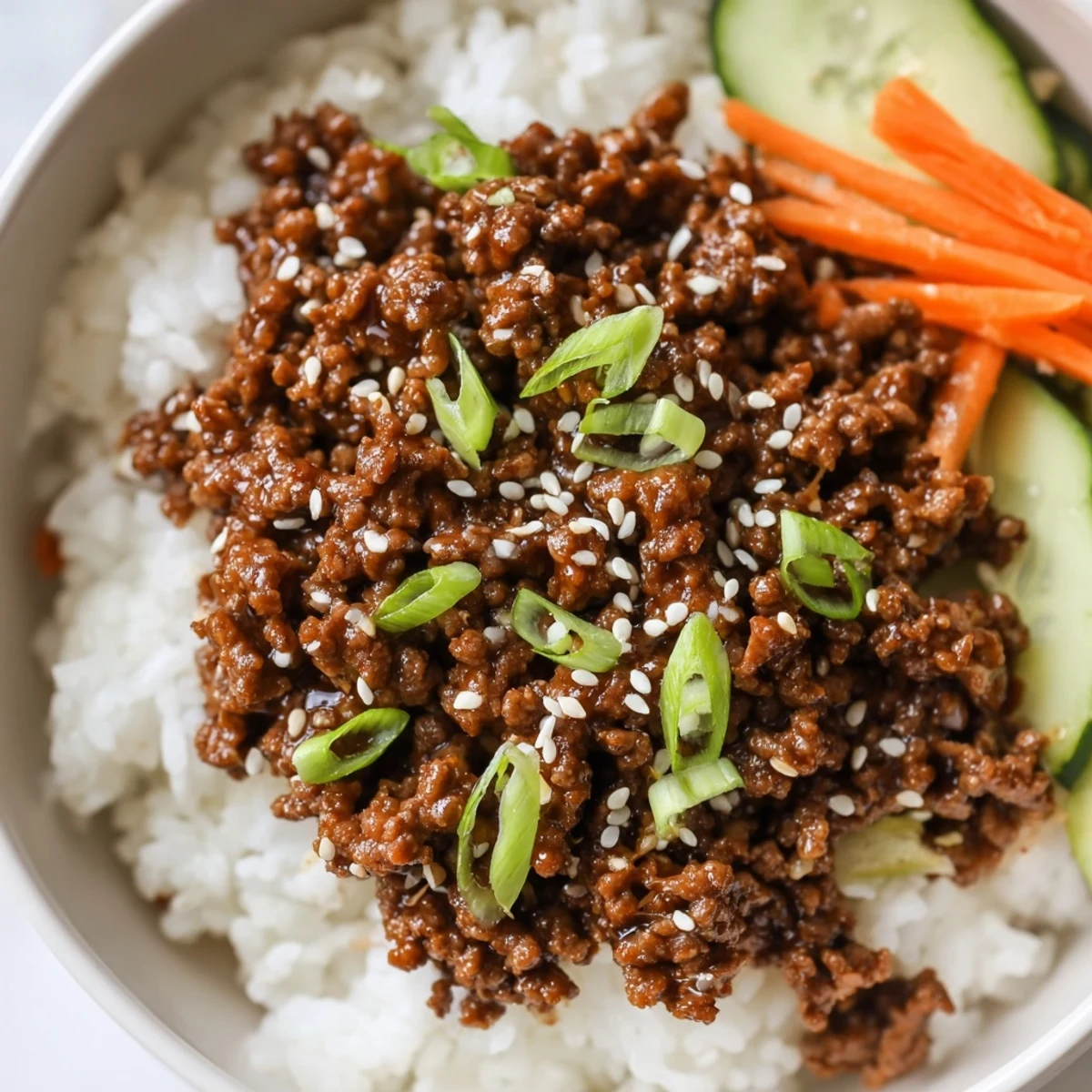
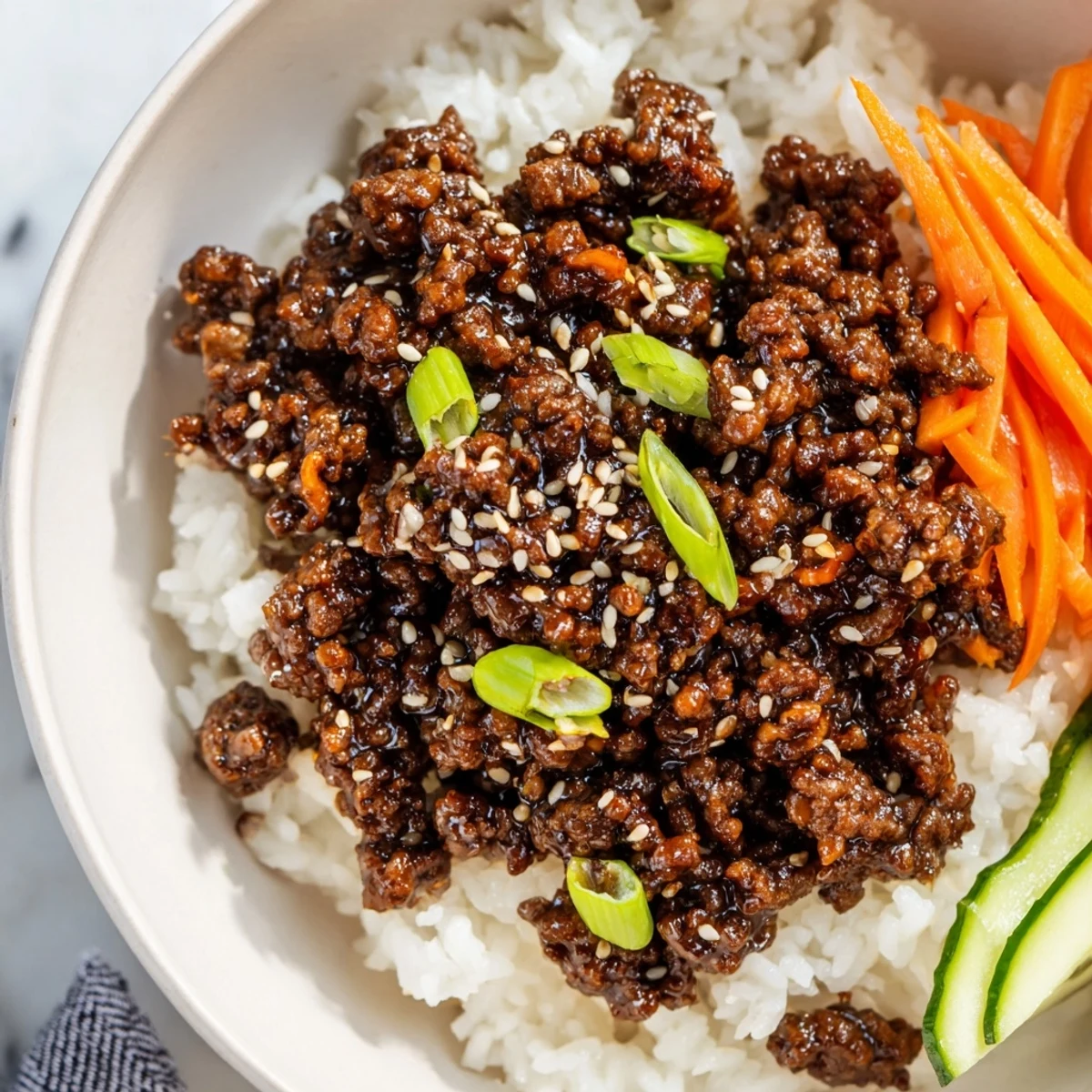
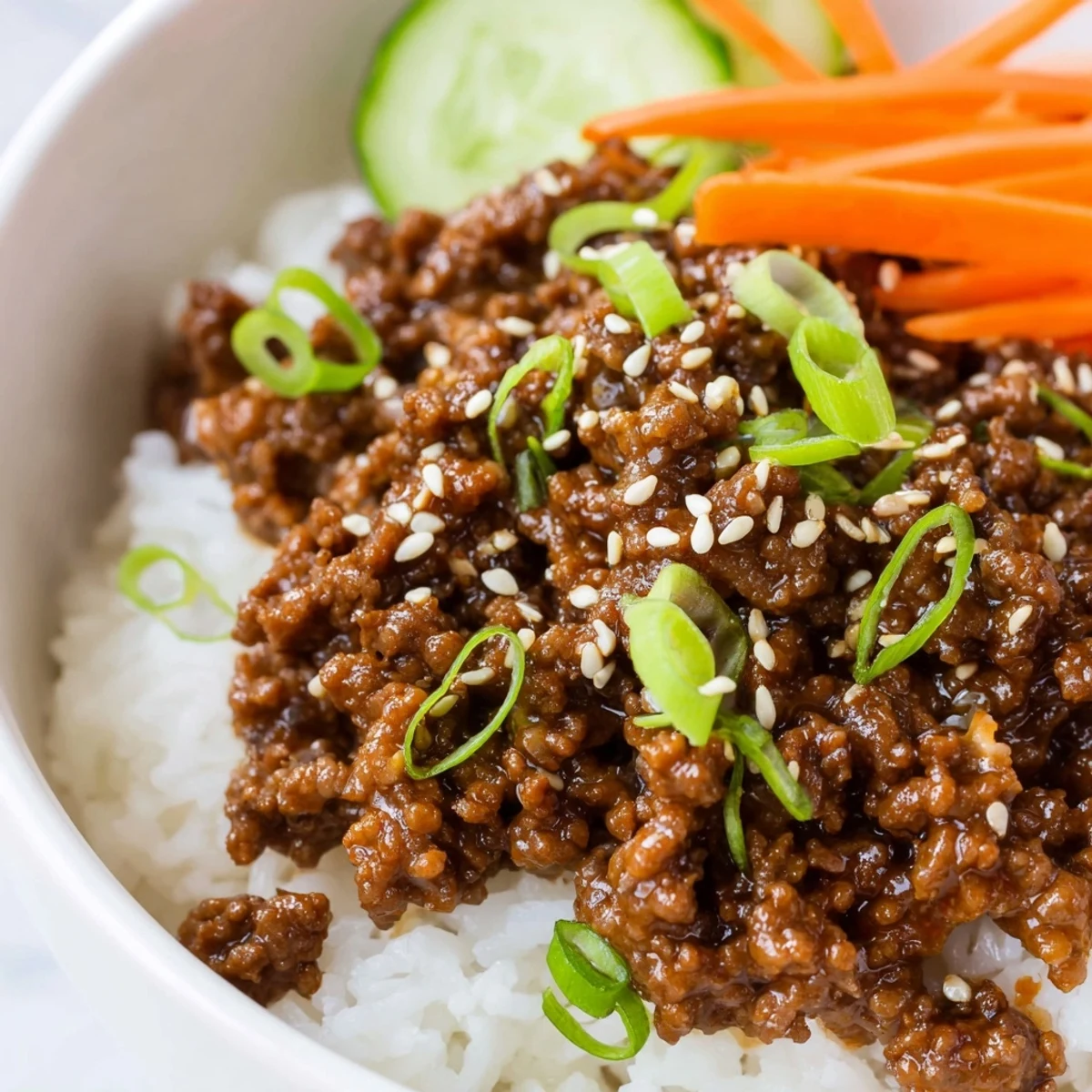
Save These Korean-inspired beef bowls come together in just 25 minutes, making them perfect for busy weeknights. Lean ground beef gets browned and coated in a homemade sauce featuring soy sauce, sesame oil, garlic, ginger, and gochujang for that signature Korean flavor profile. Serve over fluffy jasmine rice with julienned carrots, crisp cucumber slices, scallions, and toasted sesame seeds. The balance of savory, sweet, and spicy flavors creates an incredibly satisfying meal that's easily customizable. Add kimchi for extra tang or adjust the heat level to your preference.
The first time I made Korean beef bowls, it was a Tuesday night and I was exhausted. I had ground beef thawing in the fridge and a vague memory of something I'd seen online. Twenty minutes later, my kitchen smelled like garlic and sesame and I wondered why I hadn't been making this forever.
Last summer my sister came over and we ate these on the back porch. She's picky about Asian food but went back for seconds. The crunch of fresh cucumbers against the warm, savory beef creates this perfect contrast that keeps every bite interesting.
Ingredients
- Lean ground beef: The foundation of the dish, though I've used turkey in a pinch and it still works beautifully
- Low-sodium soy sauce: Keeps the dish from becoming overwhelmingly salty while still providing that essential umami base
- Light brown sugar: Balances the salty elements and creates that gorgeous caramelized finish on the beef
- Sesame oil: Don't even think about skipping this, it's what gives the dish its signature nutty aroma
- Garlic and ginger: Fresh is non-negotiable here, the jarred stuff just doesn't have the same punch
- Gochujang: Korean chili paste adds depth beyond just heat, but red pepper flakes work if that's what you have
- Rice vinegar: Just enough acid to cut through the richness of the beef and sugar
- Jasmine rice: Short-grain works too, but jasmine has this natural floral sweetness that pairs perfectly
- Carrots and cucumber: The cool, crisp vegetables are what make these bowls feel fresh instead of heavy
- Scallions and sesame seeds: Don't skip the garnish, they add the final layer of flavor and texture
Instructions
- Get your rice going first:
- Rinse the rice until the water runs clear, then combine it with water in a saucepan. Bring it to a boil, turn down the heat to low, cover tightly, and let it simmer for about 12 to 15 minutes until all the water is absorbed.
- Whisk together the sauce:
- In a small bowl, combine the soy sauce, brown sugar, sesame oil, minced garlic, grated ginger, gochujang, and rice vinegar. Whisk until the sugar has completely dissolved and everything is well combined.
- Brown the beef:
- Heat a large skillet over medium-high heat and add the ground beef. Break it up with a spatula as it cooks, letting it get nicely browned and caramelized, which should take about 5 minutes.
- Add the magic:
- Pour the sauce over the browned beef and stir to coat everything evenly. Let it cook for another 2 to 3 minutes until the sauce thickens slightly and clings to the beef.
- Build your bowls:
- Divide the fluffy rice among four bowls and top with generous portions of the saucy beef. Arrange the carrots, cucumber, scallions, and sesame seeds on top, then add kimchi or cilantro if you're feeling fancy.
 Save
Save My daughter now requests these for her birthday dinner every year. She'll eat around the carrots but devours everything else, which I count as a parenting win.
Making It Your Own
I've discovered that swapping ground beef for crumbled tofu works surprisingly well if you need a vegetarian option. Just press the tofu first to remove excess moisture so it can absorb all that flavorful sauce.
The Art of Balance
What makes these bowls sing is the contrast between hot and cold, savory and fresh. Don't be tempted to skip the raw vegetables, they're not just garnish, they're essential to the experience.
Perfecting the Rice
The trick to restaurant-quality rice at home is letting it rest for 5 minutes after cooking before you fluff it. This redistributes the moisture and prevents gummy clumps. Also, rinsing until the water runs clear removes excess starch for perfectly separate grains.
- Use a fork to fluff rather than a spoon, which won't break the grains
- If the rice is too wet, leave the lid off for the last few minutes of cooking
- Leftover rice actually works great here and sometimes develops even better texture
 Save
Save Serve these bowls family-style and let everyone build their own. There's something about the process of assembling each bite that makes the meal feel more like an experience.
Recipe FAQs
- → Can I make this dish gluten-free?
-
Yes, simply substitute tamari for the soy sauce and verify your gochujang is gluten-free. Many brands now offer gluten-free versions of Korean chili paste.
- → What protein alternatives work well?
-
Ground turkey or chicken provide lighter options while absorbing flavors beautifully. For a vegetarian version, use crumbled tofu or plant-based ground meat alternatives.
- → How can I adjust the spice level?
-
Reduce or omit the gochujang for milder flavor. For more heat, add extra gochujang, red pepper flakes, or a drizzle of sriracha when serving.
- → Can I prepare components ahead?
-
The sauce can be mixed and stored refrigerated for up to a week. Vegetables may be sliced a day in advance. Cook fresh rice and beef when ready to assemble for best results.
- → What other toppings complement these bowls?
-
Pickled vegetables, fried eggs, sliced avocado, bean sprouts, or nori strips add variety. Edamame or spinach provide additional nutrients and texture contrast.